Hello everyone! If you’ve just arrived in Barcelona, you’ll quickly notice it’s truly a food paradise, especially with the ubiquitous Spanish ham everywhere. At first, it can be overwhelming seeing all kinds of hams hanging around, with prices ranging from a few dozen to hundreds of euros per kilogram. You might feel lost about where to start. After some trial and error, and advice from local connoisseurs, I’m here to share some beginner tips to help fellow newcomers.
First, distinguish the two main types: Serrano vs. Ibérico
Simply put, these are the two fundamental categories of Spanish ham. Understanding this is half the battle. The most obvious difference lies in the pig breed and rearing method, which directly affect the flavor and price dramatically.
Serrano ham: This is the “national ham” portrayed in the article Spanish ham eaten raw in Barcelona. It is made from regular white pigs and is the most common type. It’s affordable with a salty flavor and firm texture, perfect for sandwiches or as a tapa.
Iberian ham: This is the “Rolls-Royce” of hams! Made from Spain’s unique black-hoofed pigs, its fat infiltrates the muscle forming a marbled texture, resulting in a rich, complex aroma and a long-lasting aftertaste. Naturally, the price is significantly higher.
How to read the Ibérico ham grades? Look for the colored labels!
If you decide to splurge on Iberian ham, you need to learn how to read the colorful plastic tags on the hock. They represent the pig’s lineage and feeding method, directly reflecting quality and price. From highest to lowest:
| Label Color | Purity | Rearing Method | Common English Name |
|---|
| Black | 100% | Free-range acorn feeding | Pure acorn black label |
| Red | 50% or 75% | Free-range acorn feeding | Acorn red label |
| Green | Over 50% | Pasture + grain feeding | Farm green label |
| White | Over 50% | Grain-fed in pens | Grain-fed white label |
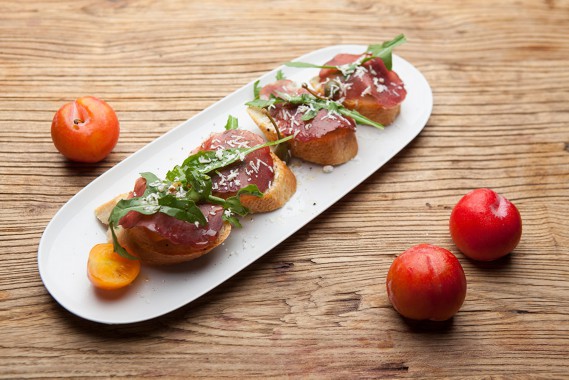
Where to buy in Barcelona? If you want to experience the atmosphere, Spanish ham in Barcelona you should visit La Boqueria Market on La Rambla, which has many ham stands where you can taste and buy vacuum-packed products. However, it tends to be tourist-priced. A more authentic choice is to find a local meat shop near your home called Charcutería. Shop owners are usually experts and can recommend based on your budget and taste. You can also ask for freshly sliced ham, ensuring freshness. For everyday eating, pre-sliced packaged ham in supermarkets is also very convenient.
Finally, a small tip: don’t rush to buy a whole leg at first; start with 100 grams to try. Good ham, especially hand-sliced, is wafer-thin and melts in your mouth. Paired with a glass of red wine or Cava sparkling wine, it’s an absolute match! Of course, eating it every day would break your wallet, but occasionally treating yourself is an essential part of experiencing authentic Spanish life. Do you have any favorite ham shops to recommend? Feel free to leave a comment below and share!
