I just brought home a whole Jamón from the supermarket, hoping to enjoy it deliciously for months. But after just a few weeks, I noticed the cut surface became dark and rock-hard, like a stone — it really broke my heart! I believe many friends living in Spain have encountered this too. Spending a fortune on ham only to have its texture worsen seriously affects the mood.
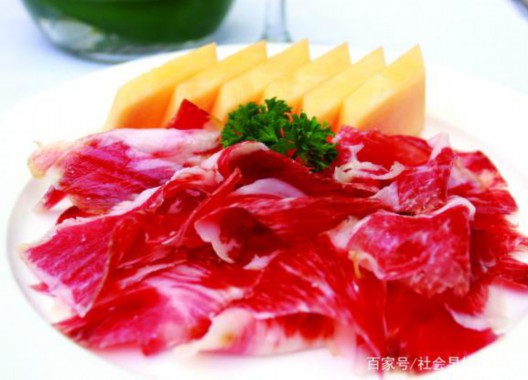
Actually, the “culprit” for ham hardening is air! When the cut surface is exposed to air for a long time, two main changes occur: first, fat oxidation causes the color to darken and turn yellowish, producing an off flavor; second, muscle loses moisture, causing the meat to contract and become dry and tough. This process speeds up especially in dry or well-ventilated environments.
Main Reasons for Ham Drying and Hardening
1. Oxidation Reaction
Once the ham is sliced, the muscles and fats come into direct contact with oxygen, oxidizing quickly. This is the primary cause, affecting not only the texture but also causing flavor loss and sometimes a rancid taste.
2. Moisture Loss
Ham is essentially a dry-cured product with low moisture content. After cutting, the newly exposed surface accelerates internal moisture evaporation. You might notice the ham weighs less after a few days—that’s water loss.
3. Improper Storage Temperature
Never put a whole bone-in ham in the fridge! Although the fridge is cold, its very dry environment acts like a dehumidifier, sucking moisture out of the ham and making it harder. The correct way is to store it in a cool, ventilated place, such as a pantry or a corner of the kitchen.
How to Prevent and Remedy?
Don’t worry, if your ham has only surface hardening from Spanish ham spoilage, there is still hope! Prevention is key. After each slice, a practical tip is to cover the cut surface with the thick layer of fat you just cut off—it acts like a natural “lid,” sealing out air and preserving moisture. If no fat was saved, tightly wrapping the cut surface with cling film also works. For already hardened parts, you can:
| Treatment Method | Advantages | Disadvantages |
|---|
| Cut off the surface | Simple and direct, allows you to enjoy the softer meat inside quickly | Causes minor waste |
| Apply olive oil | Softens the surface and slows oxidation | May slightly alter the original flavor |
| Use for cooking | Turns waste into flavor enhancer for dishes | Not suitable for raw eating, texture altered |
For very hard surfaces, first use a knife tip to scrape off the tough layer until you reach the moist, reddish, tender part inside. Those dry and hard scraps are not garbage; they add amazing flavor when stewing soups, frying beans, or cooking lentejas!
Hope these tips help everyone! Do you have any secret tricks? Feel free to share and discuss below!
Saving dry, hard ham is everyone’s responsibility!
