Recently, I was chatting with friends about Spain’s national treasure—ham—and everyone praised it highly. But a few days ago, I accidentally read an article saying that ham is actually covered with various bacteria, which suddenly made the bocadillo in my hand less appetizing… This made me a bit anxious as a food lover, so I looked up some information to share with you today: is the Spanish ham we eat really clean?
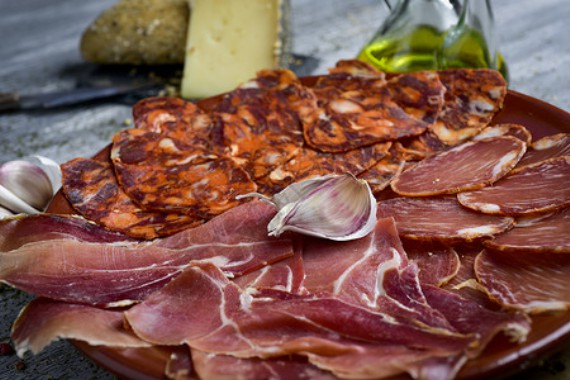
One fact that might surprise you is: Without bacteria, there would be no top-quality Spanish ham! Just like yogurt and cheese we eat, during the long curing and drying process that lasts for years or even longer, a large number of microorganisms naturally develop on the surface and inside the ham. Most of them are beneficial bacteria, such as lactic acid bacteria and specific molds. They play a key role in creating the unique and complex flavors of the ham by breaking down proteins and fats, producing various alcohols, esters, and acids. The white or green mold you sometimes see on the ham’s surface are often harmless or even beneficial “flavor messengers.”
Everything has two sides. If the production, transportation, or storage conditions are problematic, the ham can indeed be contaminated by harmful bacteria. The most concerning ones are Listeria and Salmonella. These pathogens easily multiply under improper temperature and humidity, especially for vacuum-packed sliced ham. If the Spanish ham without bacteria packaging is damaged or stored incorrectly, the risk increases. Therefore, we must not be completely careless.
How to Safely Choose and Enjoy Ham?
After all this, what everyone cares most about is how to eat ham that is both safe and tasty. I have summarized a few key points into a simple table for easy reference:
| Selection and Storage | Key Points |
|---|
| Purchase Channel | Choose reputable sellers and avoid buying bulk ham of unknown origin. |
| Appearance Check | The whole leg should be intact with a dry surface. Sliced ham should have natural color, white fat, and no strange odors or mucus. |
| Vacuum Packaging | Check that the vacuum packaging is intact without air leaks or bloating. |
| Home Storage | Hang whole legs in a cool, ventilated place. Consume sliced ham soon after opening, and refrigerate leftovers sealed with cling film. |
Spanish ham, as a traditional fermented meat product, coexists naturally with microorganisms. There is no need to avoid eating it just because of the word “bacteria” and never dare to eat it again. As long as you buy through Spanish raw ham has bacteria official channels and follow proper storage methods, you can minimize risks and safely enjoy this delicious product from the Iberian Peninsula. How do you usually store that big ham at home? Feel free to leave your experience in the comments below!
