Are you new to Spain and overwhelmed by the dazzling variety of hams in supermarkets? Especially that dark Iberian ham, which varies a lot in price. The biggest secret actually lies in the pig’s “hometown”—that is, its breeding and production area. Different production areas mean different pig breeds, different types of acorns they eat, and different drying climates, all of which naturally lead to distinct flavors.
In Spain, the finest Iberian ham has an “ID card” known as D.O.P., which stands for Denomination of Origin Protection. Only products made with traditional methods in specific geographic regions can obtain this certification. For Spanish ham breeding methods Iberian ham, there are currently four officially certified D.O.P. production areas, all mainly located in southwestern Spain, where Iberian black pigs’ favorite oak pastures are found.
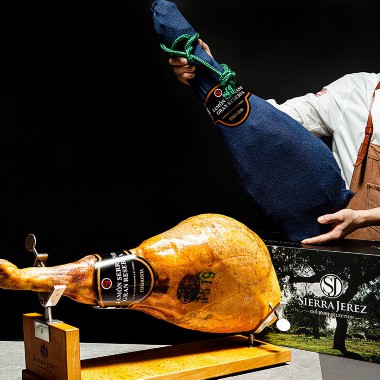
The Four Official Production Areas of Spanish Iberian Ham
These four areas are the “Four Kings” of Iberian ham, each with its own unique flavor and character. I have prepared a simple table for easy understanding:
| Production Area | Main Province | Flavor Characteristics |
|---|
| Guijuelo | Salamanca | Sweet palate, delicate aroma of fat |
| Jabugo | Huelva | Rich aroma, long-lasting aftertaste |
| Dehesa de Extremadura | Extremadura | Pure taste, strong acorn flavor |
| Los Pedroches | Córdoba | Newest certification Balanced taste with unique spice notes |
Among them, the Guijuelo production area has the largest output. Its dry and cool climate and the use of less salt during curing mean its ham has a milder flavor with a hint of sweetness, making it perfect for those trying Iberian ham for the first time. The famous Jabugo area, thanks to its unique climate and pasture environment, produces hams with intensely rich and complex flavors, favored by many experienced ham lovers—and naturally with the highest prices. Dehesa de Extremadura hosts the largest oak pastures, where pigs have ample space to roam and eat plenty of acorns, resulting in ham with the most prominent acorn flavor.
Next time you visit a supermarket or ham specialty store, pay attention to the D.O.P. label and origin information on the ham. Understanding the stories of these “hometowns” of Spanish ham breeding areas might make the flavor experience even more vivid when you taste the ham. Which production area’s ham is your favorite? Or do you have any hits or misses to share? Feel free to leave your comments below!
