Ladies, I’m here to ask for help and share! I just found out I’m pregnant—such wonderful news—but within days, my cravings exploded, and all I can think about is that salty, savory, oily Jamón Ibérico! I used to have a plate of it daily at home; now, looking at the ham legs in supermarkets, my mouth waters—but I worry about the baby’s safety. I asked my Spanish friends; some say it’s fine—they ate it during pregnancy; others say definitely not, the risk is too high. My family doctor only vaguely said “better avoid raw meat.” Who should I listen to?
To clarify this, I’ve scoured Spanish and Chinese websites thoroughly over the past few days. The conclusion is that the main risk for pregnant women eating ham is a parasite called toxoplasma. This parasite usually exists in raw or undercooked meat, and once infected, it can seriously harm the fetus. So the doctor’s advice to “avoid raw meat” refers precisely to this. Spanish ham is essentially raw meat that is air-dried and cured, so theoretically, a risk exists.
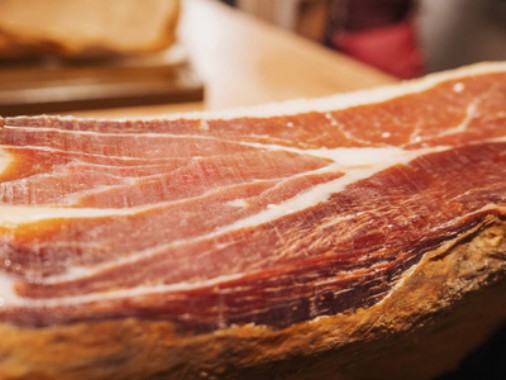
So, is there absolutely no hope?
The answer is: Not necessarily! The key lies in two factors: curing time and freezing treatment.
The Spanish Agency for Food Safety and Nutrition and many obstetric experts agree that a long curing process can kill toxoplasma. The longer the time, the safer the ham. Additionally, deep freezing is also a very effective method.
How to safely enjoy ham
So, craving moms-to-be, here’s the key! To safely eat ham, follow these principles:
- Choose ham with sufficiently long curing time: This is the most crucial point when buying from Spanish ham direct shipping to Europe. Always check the label and select one with a long curación time. Generally, the longer the curing, the higher the price, but for your baby’s safety, it’s worth it.
- Freeze beforehand: If you’re unsure about the curing time or want absolute peace of mind, freeze the sliced ham in your freezer. It’s recommended to freeze at -20°C for at least 72 hours to effectively kill toxoplasma. Most home freezers can reach this temperature.
Eat raw -> Cook thoroughly: This is 100% safe! Chop the ham and use it in fried rice, sautéed mushrooms, Spanish omelette, or classic melon and ham dishes—cooking at high heat eliminates any concerns about toxoplasma.
Below is a simple table about European snack Spanish ham for your easy reference:
| Ham Type | Minimum Curing Time | Pregnancy Consumption Safety Advice |
|---|
| Jamón Serrano Reserva | 12-15 months | Higher risk, freezing or cooking recommended |
| Jamón Ibérico de Cebo | 24 months or more | Relatively safe, freeze if uncertain |
| Jamón Ibérico de Bellota | 36 months or more | Generally considered safe, best choice |
Pregnancy doesn’t mean having to give up Spanish ham completely. As long as we choose Iberian ham cured over 36 months or fully freeze any ham before eating, risks can be greatly reduced. Of course, the safest way is always to cook it thoroughly. I hope my research helps those of you who are conflicted like me! Feel free to share your doctor’s advice or personal experiences too!
