Hello everyone! Having recently arrived in Spain, every time I go to the supermarket and see a whole row of hanging hams, I feel overwhelmed by the choices. Terms like Ibérico, Serrano, and various colored labels can be truly confusing. After some research, today I want to share my “learning results” with you, hoping to help those equally puzzled!
First, we need to understand the two main categories: Jamón Serrano and Jamón Ibérico. The fundamental difference lies in the pig breed. Serrano comes from common white pigs, produced in large quantities and affordable, making it a staple on Spanish tables. Ibérico, however, comes from the precious Iberian black-hoofed pigs, which have pure bloodlines and marbled fat within their muscles, offering a flavor depth that is in a league of its own! You could say Ibérico is the “ceiling” of the ham world.
To illustrate, in the picture below, you can see the shiny, textured example of a top-tier Iberian ham, enough to make anyone’s mouth water!
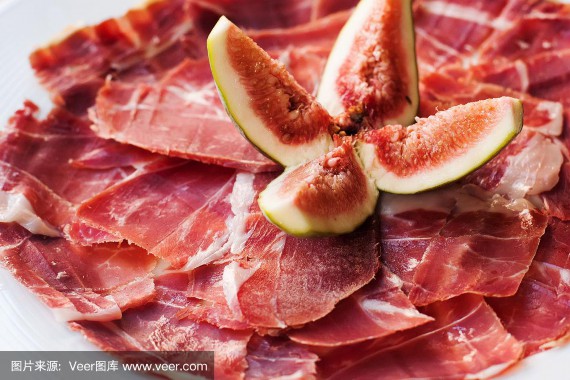
Of course, within Ibérico ham there are also different grades, mainly based on pig rearing methods and blood purity. You can usually tell by the color of the plastic tags hanging on the ham legs, shown in this traditional Spanish cured ham guide.
Here in this Spanish traditional fermented ham, I have organized a simple table for easy reference:
Iberian Ham Grades
| Tag Color | Grade Name | Rearing Method | Characteristics |
|---|
| Black | 100% Ibérico de Bellota | 100% pure Iberian pigs, free-range in oak forests, fed on acorns | Top tier, rare production, rich flavor with nutty aroma, commonly called “Pata Negra” |
| Red | Ibérico de Bellota | At least 50% Iberian pig bloodline, free-range in oak forests | Excellent quality, flavor and texture just below black label |
| Green | Cebo de Campo | At least 50% bloodline, outdoor rearing, fed on grains and natural food | Great value, balancing flavor and price |
| White | Cebo | At least 50% bloodline, fenced rearing, grain-fed | Entry-level Iberian ham, most affordable |
So next time you buy ham, just look for the tag color to avoid mistakes!
For everyday eating, making sandwiches, or pairing with melon, Jamón Serrano is more than enough. But if you want to truly savor the essence of Spanish ham, or entertain guests during festivals, you must get a plate of cheap high-quality Ibérico de Bellota! Thinly sliced like cicada wings, eaten by hand, with an instantly melting fatty aroma, paired with a glass of red wine… it’s simply heavenly! I’d love to know which ham you usually choose—feel free to share your thoughts below!
