For parents who have just arrived in Spain, there is often a shared confusion: seeing ham everywhere and smelling that tempting aroma can be mouthwatering, yet they worry if this delicacy is really suitable for their child. Is it too salty? Is it hard to digest? Today, I’ll share my personal experience on this topic.
The answer is: Yes, but with great care! It’s definitely not as simple as adults eating it and just giving a slice to children. Timing and methods are key; otherwise, a delicacy might turn into a hazard.
Key Point One: When can children start eating it?
Generally, pediatricians recommend trying it in small amounts only after the baby is 1 year old. There are two main reasons: first, Spanish ham has a very high salt content, and babies’ kidneys are still developing, so early intake of high-salt foods increases metabolic burdens. Second, as a cured and air-dried meat, ham may be difficult to digest for a baby’s delicate stomach.
Therefore, Can children eat Spanish ham? be patient and wait until the child’s digestive system and kidney functions are more mature before introducing it. For the first try, start with a very small amount about the size of a fingernail.
Key Point Two: How to choose and feed it?
Choosing the right ham and using the correct method greatly increases safety.
Selecting ham: Although Jamón Ibérico is more fragrant, it usually has higher fat and salt content. For initial trials, it’s better to choose relatively milder and lower-salt options like Jamón Serrano. You can ask the shop if they have any “bajo en sal” (low salt) choices.
Feeding method: This is crucial! Never give a whole slice to a child, as it easily causes choking! The correct way is:
- Cut the ham very finely, like minced meat.
- Mix it with mashed potatoes, porridge, steamed egg custard, or bread for the child.
Absolutely no tough or overly fatty parts.
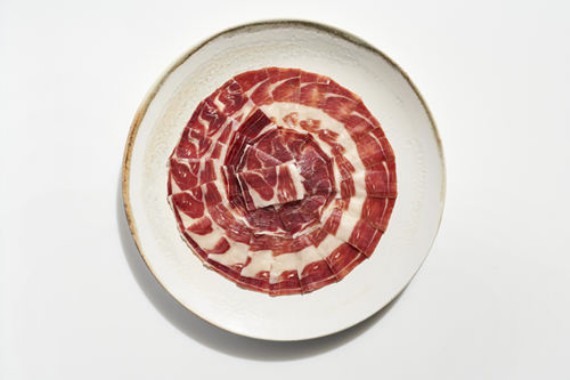
Nutrition vs. Risks
To give you a clearer picture, here is a simple table showing the benefits and risks of feeding ham to children.
| Pros | Cons |
|---|
| Rich in high-quality protein | Very high salt content |
| Contains iron, zinc, and trace elements | Higher fat content |
| Provides B vitamins | Risk of choking |
| Unique flavor that can stimulate appetite | Cured processed meat, not for frequent consumption |
Spanish ham for children eating Spanish ham - is a uniquely flavored “snack” or “condiment,” not a primary source of nutrition. Occasionally tasting it is fine, but always remember the principles of “small amounts, finely minced, and late introduction.” I hope all the children here in Spain grow up healthy and happy!
Parents are welcome to share their kids’ first experiences eating ham in the comments!
