Recently, while chatting with friends, I noticed many are quite interested in the business of selling ham in Spain, thinking the profits must be incredibly high. After all, a premium Iberian black label ham can sell for over a thousand euros, which is mouthwatering—not just tempting but also enviable. But is that really the case? Today, from the perspective of an ordinary food lover, let’s dive deep into this topic.
The Cost of Ham Is Much More Than Just the Leg
First, we must understand that the purchasing price of ham is the biggest cost, but also the most complex. There are many grades of ham, with prices varying greatly. The most common is Serrano ham, which has a relatively low cost. But what usually brings high profits is Iberian ham. It is further divided into several grades according to pig breed purity and rearing methods, such as Cebo, Cebo de Campo, Bellota, and so on. A 7-8 kilogram 100% Iberian acorn-fed ham, the ex-factory price from the production region canSpanish Ham Restaurant Profit start at 500 euros or more, and that does not include transportation, storage, and taxes.
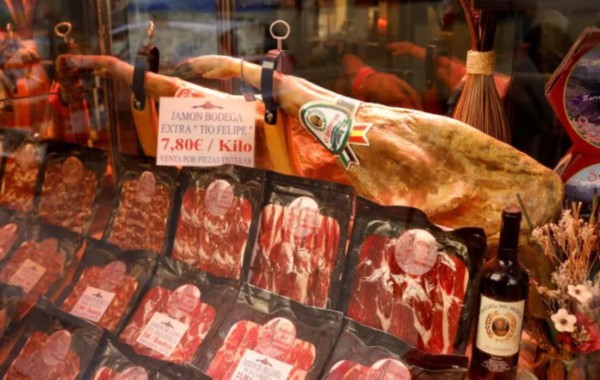
Price and Gross Margin Analysis
Opening a ham shop does show quite attractive gross margins. Let’s organize a simple table for an intuitive understanding:
| Grade | Approximate Cost Price | Retail Price | Gross Margin |
|---|
| Cebo de Campo | €150 - €250 | €300 - €450 | 50-80% |
| Bellota 50% Ibérico | €300 - €450 | €500 - €700 | 40-60% |
| Bellota 100% Ibérico | €500+ | €800 - €1500+ | 50-100% |
As you can see, especially for the high-grade hams, the price difference gross margin space is quite considerable. But don’t celebrate too early, this is just gross margin; net profit still needs to deduct many expenses. Rent, utilities, wages, Autónomo social security, taxes—these are fixed monthly costs. Also, don’t forget about losses! From an 8-kilogram ham, the meat you can actually slice and sell might be only around 4-5 kilograms, with the remaining bones and most of the fat also being costs you pay for.
So, what’s the conclusion?
Selling ham is definitely a technical craft, not just simple reselling. The profit margin looks attractive, but to cover all costs and ensure a stable customer base, you need deep knowledge of ham, plus skills in slicing, selling, and business management. Looking at gross margin alone is tempting, but net profit is the real key. A skilled ham expert not only maximizes the ham’s value but also attracts repeat customers with professional knowledge and service—this is the long-term core of this business. Do you have friends running ham shops? How’s their business? Feel free to discuss below!
