Lately, many friends have been asking me whether opening a ham shop in Spain is particularly lucrative. It seems like tourists can’t pass by when they see rows of shiny hanging hams; a plate of sliced ham costs tens of euros — it really feels like a money printing machine! Today, let’s dive deep into this topic and see how reality compares to the ideal.
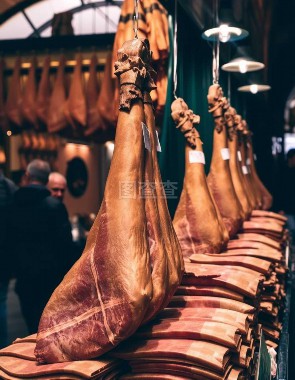
Opening a small shop specialized in selling and serving ham looks simple but actually has a lot of nuances. It’s not like opening a discount store; the core costs and technical barriers revolve around that leg of ham. First of all, the biggest expenditure is the ham itself. A top-quality Iberian acorn-fed ham can cost between 500 and 800 euros or even more wholesale. Meanwhile, regular Serrano ham is much cheaper. Your shop’s positioning directly determines your startup capital and inventory costs.
Core Cost Analysis
Besides ham, other costs are also considerable. Let’s do a rough calculation. Suppose you open a small shop in a decent neighborhood in Madrid or Barcelona, your fixed monthly expenses might look like this:
| Item | Estimated Monthly Cost |
|---|
| Shop Rent | 1500 - 2500 |
| Ham, drinks, cheese, and other stock | 4000 - 6000+ |
| Staff Salaries | 3000 - 4500 |
| Utilities, taxes, waste, internet, and miscellaneous | 800 - 1500 |
| Total Monthly Fixed Costs | 9300 - 14500+ |
Where Is the Profit Margin?
Looking at the costs above, it might feel a bit discouraging. But wait, let’s consider the income. Profits mainly come from several sources: first, dine-in. A plate of hand-sliced ham typically sells for 15-25 euros, and the cost may be only 30%-40% of the selling price according to How Profitable Is Spanish Ham, resulting in high gross margins. Second, drink pairings. A good glass of Rioja red wine or a chilled beer is the soul mate of ham and also an important profit growth point. Third, takeaway and retail. Many tourists and locals buy vacuum-packed ham slices or entire legs as Spanish Ham Profit gifts, which generates considerable revenue. Therefore, choosing a location in tourist areas or upscale communities is crucial.
Running a ham shop is definitely not a money-for-nothing business. It heavily relies on the operator’s expertise in ham, savvy location selection, and service quality. If you look at those shops that have been around for decades, the owners themselves are often top ham masters. The entry barrier is not high, but to excel and make substantial money requires time and dedication. Do you know anyone who runs this kind of shop? Feel free to share their business stories below!
