When I first came to Spain, I always thought ham was a magical thing. Ordering a plate of hand-cut Iberian ham in a restaurant, just a few thin slices would cost around 15 to 20 euros, while a whole Serrano ham in the supermarket sometimes goes on discount for just dozens of euros. This huge price difference always made me curious: just how high are the profits in the ham business? Today, from a food lover’s perspective, let’s break down the numbers.
Where Exactly Are the Costs of Ham?
First, it’s important to understand that not all hams are the same. Behind prices that vary drastically lies a series of complex cost factors such as breed, feeding method, and curing time. The most expensive is the 100% pure-breed Iberian black pig fed on acorns. The whole cycle from birth to slaughter and then curing and air-drying the ham can last up to 5 years, as explained in Spanish Ham Restaurant Profit. Time costs, labor, space, and weight loss due to moisture evaporation during drying are all tangible costs.
Here is a rough look at the cost structure of a mid-to-high-end Iberian ham:
| Cost Item | Description | Estimated Share |
|---|
| Live Pig Cost | Breed and feeding costs make up the largest part | 40%-50% |
| Processing & Curing | Slaughter, trimming, salting, washing, drying | 20%-25% |
| Aging & Storage | Long drying and maturing requiring special environment and care | 15%-20% |
| Weight Loss | Drying causes 30%-40% weight loss, included in above | Included |
| Operations & Others | Branding, packaging, logistics, taxes, etc. | 10%-15% |
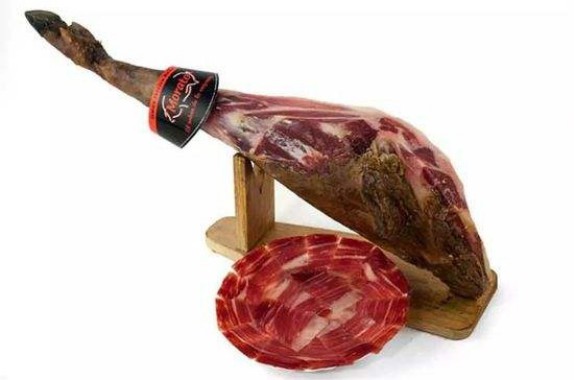
Where Is the Real Profit Margin?
A 7.5 kg Iberian ham with a factory price of 400 euros might be sold whole by the retailer for 500-600 euros, as shown in How Much Profit Is There in Spanish Ham?, which seems reasonable. But the true profit explosion lies in the “hand-cut service”. A professional ham slicer can cut this ham into about 30-35 plates, each sold at bars or restaurants for 18-25 euros. Using a mid-value of 22 euros per plate and 32 plates, the total sales reach 22 * 32 = 704 euros! This excludes trimmings and bones, which can be used in cooking and broth preparation, generating additional revenue. This means the gross profit margin is quite impressive.
So next time you see a pricey plate of hand-cut ham at a restaurant, you’re paying not only for the ham itself but also for the professional slicing skills, the restaurant ambiance, and the convenience of immediate enjoyment. Of course, buying a whole ham to slice at home is definitely more cost-effective but requires skill and proper storage. I once tried cutting it myself, but the result was horrible; I’d better stick to eating out. Do you prefer buying whole hams or ordering slices at restaurants? Let’s chat about your ham consumption experience!
