For newcomers to Spain or those wanting to start a small business, many have probably considered selling ham. After all, it’s a national treasure; tourists love buying it, and it’s gaining recognition worldwide. But how deep is this business really? How much profit can you make from selling one leg? Let’s talk about this topic today.
The Cost of Ham Varies Greatly
First, understand that not all hams are the same. Prices range from tens to over a thousand euros. Let’s simply categorize and look at the approximate procurement costs.
| Ham Type | Approximate Purchase Price | Characteristics |
|---|
| Jamón Serrano | €60 - €150 | Regular white pig, entry-level, salty taste |
| Jamón Ibérico Grain-fed | €150 - €300 | Iberian black pig, fed with grain |
| Jamón Ibérico Acorn-fed | €400 - €800+ | Premium grade, black pigs raised free-range in oak forests, eating acorns |
How to Calculate Profit Margins?
Profit = Selling Price - Cost. Sounds simple, but the selling channel greatly impacts the price. If you run a butcher shop, a €200 Cebo ham sold by slices could bring total sales of around €400-450. But you have to deduct labor, rent, utilities, and waste. If you act as a reseller shipping to customers abroad, prices can be marked up higher, but international shipping and customs fees are significant, and the risks are higher. So, gross margins may look high, but net margins require careful calculation.
Selling ham is definitely not just a mindless shipping operation. A single 8kg leg has about 30%-40% bones, plus outer fat and hard rind, leaving only about 4-5kg of edible meat. How do you account for this loss? If the cutting at a Spanish ham restaurant is poor, the wasted meat is lost money.
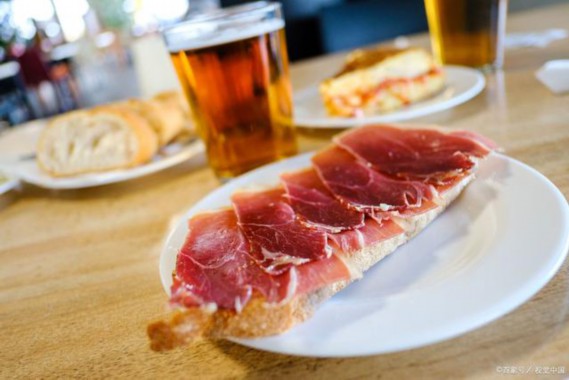
Moreover, ham storage requires proper temperature and humidity control—otherwise mold or fat rancidity can ruin a whole leg. These are hidden costs and risks.
Doing ham business in Spain can indeed be profitable, but it’s definitely not a get-rich-quick scheme. It requires deep knowledge of ham Spanish ham profits, reliable supply chains, and preferably some expertise in slicing and marketing. For those starting out, it’s advised to begin with small quantities and avoid stocking too much at once.
I wonder if there are any veterans in the forum currently in the ham business? Or anyone with buying and selling experience? Feel free to leave comments and share your insights!
