Hello everyone! I recently arrived in Spain, and finally gave in to temptation to bring home a whole Jamón. The result… I was staring at it cluelessly, completely unsure where to begin! I believe many friends have faced the same dilemma. After some learning and painful practical experience, I finally figured out some tricks. Today, I will shamelessly share my home-style ham slicing tips—experienced pros are welcome to correct me!
Preparation: The Right Tool for the Job
To slice ham properly, you absolutely need a set of handy tools. The core essentials are three knives, one holder, and one sharpener:
- Ham holder: A must-have! This firmly secures the whole ham, ensuring safety and stability when slicing.
- Ham knife: Long, narrow, and flexible, this is the key for cutting thin slices.
- Short boning knife: Used to separate and clean meat around the bone.
- Sharpening steel: Keeps your blades sharp at all times, or else you’ll end up with minced meat instead of slices.
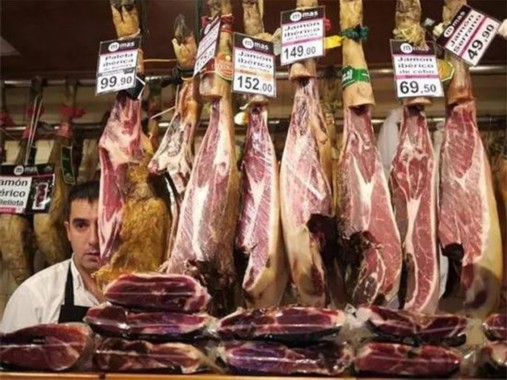
Starting the Cut: Where to Make the First Slice?
When you get the ham, first fix the hoof upwards in the holder; this side has the most and richest meat called the “Maza.” The first step is to “open a window” by cutting a V-shaped notch below the ankle with the short knife, then slicing along the leg’s side to remove the dark, bitter outer skin and yellow fat. Here’s an important tip about ham slicing techniques in Spain: never cut away all the white fat—that is the essence of ham’s flavor! Keeping about a 1cm thick white fat layer is ideal.
Slicing Skills and Flavor by Cut
Slicing is definitely a skillful art; the core principle is to be “steady, slow, and even.” The knife should stay level with the ham surface, using the full length of the blade in a back-and-forth motion rather than chopping downward. Each slice should include some white fat for the richest taste. The meat texture and flavor vary by section. I’ve compiled a simple table about Spanish ham curing techniques:
| Section | Characteristics | Recommendation |
|---|
| Maza | Richest marbling, most tender | Best choice for daily tasting, best texture |
| Contramaza | Less fat, more concentrated flavor | Chewier texture, pairs well with red wine |
| Babilla | Least fat, drier meat | Consume quickly after opening to avoid overdrying |
Cut only as much as you will eat at a time, keeping the cut surface smooth. After slicing, cover the cut area with large pieces of the white fat you just cut, then wrap in cling film to prevent drying and oxidation. These are my personal experiences, probably not professional—veterans in the forum, please share your exclusive secrets! Finally, I wish everyone ¡Buen provecho!
