For newcomers to Spain, aren’t you all amazed by the whole legs of pork hanging everywhere in bars, restaurants, and even supermarkets? At first, I thought this was just decoration, but later I realized that this item holds a position in Spaniards’ hearts comparable to dumplings for us Chinese! It is not just a dish but a deeply ingrained cultural symbol and way of life.
The “Identity” Classification of Ham
First, you need to understand that Spanish ham is not all called the same name. The main categories are two: Iberian ham and Serrano ham. The former is made from precious Iberian black-hoofed pigs, while the latter is from common white pigs. Their differences are huge, directly determining price and flavor. Simply put, it can be understood this way:
| Feature | Iberian Ham | Serrano Ham |
|---|
| Pig Breed | Iberian Black-hoofed Pig | Common White Pig |
| Feeding | Mainly acorns or grains | Mainly grain feed |
| Flavor | Rich fat, melts in the mouth, with nutty aroma | Tends to be salty, drier meat, straightforward flavor |
| Price | Expensive | Affordable |
The Role of Ham in Daily Life
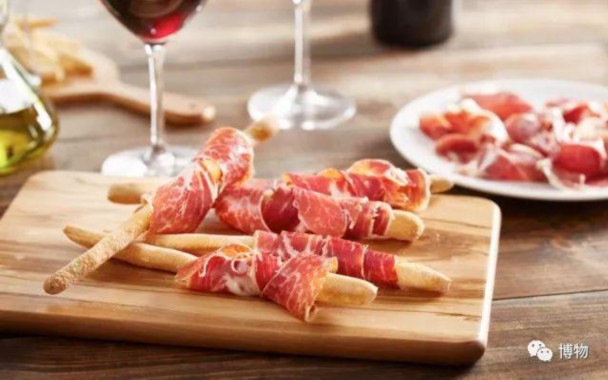
In Spain, ham is everywhere. In the morning, a baguette sandwich with a few slices of ham is a perfect breakfast. At noon or night, when you go to a Tapas Bar, the place is very likely to serve a small plate of sliced ham along with a drink, as shown in the Spanish ham culture introduction. During holidays, especially Christmas, nearly every household buys a whole leg of ham, placed on a special stand and cut personally by the male head of the family; this is both a craft and a family ritual.
More than Just Food, It’s a Social Bond
“Ham slicing” in Spain is a very particular art, with even professional ham carvers. Watching them use a long, thin knife to slice paper-thin, evenly fatty pieces of ham is an enjoyment in itself. One leg of ham can last for several weeks or even months. When friends and family visit, the host will cut a few slices, paired with red wine or beer, and everyone sits together, eating and chatting. This is not just a feast for the taste buds but a catalyst for emotional connection. In fact, sharing ham is sharing happiness.
For Spaniards, ham represents historical heritage, festive joy, and daily comfort. It connects family, friends, and community. So next time you see those hanging legs of ham, don’t just see them as meat; within them is the full passion of Spanish life! Dieting can wait until tomorrow, have a slice of ham first to calm your nerves! Which brand or region of ham do you usually like to buy? Let’s share experiences!
