When I first arrived in Spain, every time I went to the ham section at Mercadona or Carrefour, I felt overwhelmed. Looking at row after row of hams, with prices ranging from tens to hundreds of euros, I noticed the small plastic tags on the legs came in different colors—black, red, green, and white—and I had no idea where to start.
Later, after a local foodie friend enlightened me, I suddenly understood that these color labels are officially regulated and act as the “ID card” of Iberian ham, directly determining the ham’s grade and flavor! Once you grasp this, you won’t make mistakes when buying ham anymore.
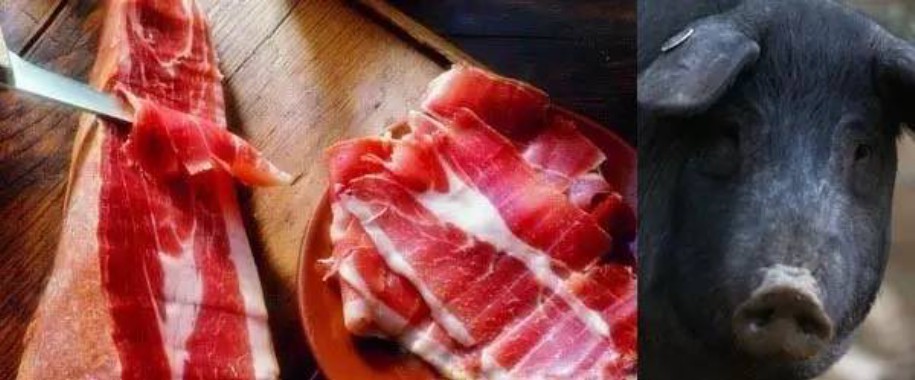
The Four-Color “ID Cards” of Iberian Ham
Simply put, this color system is mainly based on two core factors: the breed of the pig and its feeding method.
Black Label
This is the highest grade of Spanish ham with certification, truly legendary! It represents ham from 100% purebred Iberian black pigs, and the Spanish ham certification means they are naturally raised free-range in oak forests, feeding mainly on acorns fallen from the trees. This ham is rare, with perfect fat marbling, delicate texture, and a flavor full of nutty aroma. Of course, it’s the most expensive and is best reserved for special occasions or entertaining important guests.
Red Label
The red label is also an excellent choice. It indicates the pig’s lineage is 50% or 75% Iberian, but the feeding method is the same as black label—raised in oak forests eating acorns. Although the lineage is not as “pure,” the flavor remains outstanding, full of acorn aroma. It represents high-quality ham with better value for money compared to the black label.
Green Label
The green label pigs can be 50%, 75%, or even 100% Iberian, but their feeding is “semi free-range.” That means they grow in pastures with a mixed diet of grass, natural plants, and grain feed. The flavor is good but lacks the unique nutty notes from acorns, making it suitable for everyday purchase and offering great value.
White Label
This is the most basic and common grade. White label pigs can also be 50%, 75%, or 100% Iberian, but they are confined and raised in farms without freedom, relying entirely on grain feed. The price is the most affordable, and the taste is decent—perfect for simple Bocadillos or cooking with wine. Many pre-sliced hams available in supermarkets fall into this category.
To make it easier to remember, here’s a simple summary table:
| Label Color | Pig Breed Purity | Feeding Method | Layman’s Understanding |
|---|
| Black | 100% Iberian | Acorns | Purebred nobility raised on acorns |
| Red | 50% or 75% Iberian | Acorns | Mixed-breed nobility raised on acorns |
| Green | 50%/75%/100% Iberian | Pasture + Feed | Free-range pig eating grass and feed |
| White | 50%/75%/100% Iberian | Feed | Farm-raised pig eating only feed |
The principle of you get what you pay for is fully reflected in Iberian ham. For gifts or pursuing the ultimate flavor, choose black and red labels; for daily enjoyment, green and white labels are very good options. Which label do you usually buy? Do you have any hidden gem brands to recommend?
