Hello everyone! Having been in Spain for a while, I bet no one can resist the temptation of Jamón, right? Every time I go to the supermarket, the ham section is always the most attractive place to me. We often focus on the delicious taste, but have you ever wondered if it actually has nutritional value? Today, let’s dive deep into Spain’s national treasure—the nutritional value of cured ham.
Let’s talk about the fats everyone cares about. When it comes to the fatty parts of ham, many people might turn away in hesitation. However, the fat in Jamón, especially high-quality Iberian acorn-fed ham, can be described as a “walking olive tree.” This is because it is rich in a monounsaturated fatty acid called oleic acid, the same star component found in top-grade extra virgin olive oil! It’s very friendly to cardiovascular health.
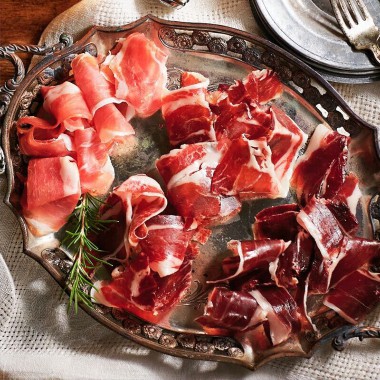
In addition to healthy fats, Jamón is also an excellent source of high-quality protein. During the long curing and drying process, protein is broken down into amino acids that are easier for the body to absorb. Meanwhile, it is rich in B vitamins as well as minerals like iron and zinc, as detailed in Ham’s Nutritional Value in Spain. For those needing an energy and nutrient boost, it is definitely a premium choice worth savoring!
Different types of ham also vary in their nutritional composition. Here is a simple comparison for your reference:
Iberian Ham vs. Serrano Ham: Nutritional Comparison
| Feature | Iberian Acorn-Fed Ham | Serrano Ham |
|---|
| Fat Type | Rich in oleic acid | Relatively higher saturated fat |
| Flavor Source | Acorns, natural pasture | Grain-fed |
| B Vitamin Content | More abundant | Moderate |
| Price | Higher | More affordable |
In short, Ibérico de Bellota offers higher nutritional value, while Serrano ham is unbeatable for everyday value.
Finally, a reminder: moderation matters! Jamón is delicious, but sodium and calorie content are not low. You cannot eat unlimited amounts with an empty stomach. Treat it as a side snack, tapas, or an occasional reward—that’s the healthiest and wisest way to enjoy it. How do you usually like to eat Jamón? Classic with melon, with a glass of red wine, or tucked into a Bocadillo? Share your thoughts in the comments!
