For friends new to Spain, have you had the same experience as me? Excitedly carrying a whole Jamón home, ready to feast, only to find that when you cut into it, the outer layer of fat is yellow! My heart skipped a beat; my first thought was: “Oh no, it’s spoiled, is this still edible?” Feeling sorry for my money! Later, I quickly consulted the Spanish uncle downstairs and finally cleared up my confusion.
It turns out this yellow layer of fat is not a sign of spoilage but a very normal natural phenomenon called “enranciamiento” by Spaniards, meaning fat oxidation. During the long curing and drying process of the ham, the outermost fat layer is exposed to air and light for an extended time, gradually oxidizing, turning yellow, hardening in texture, and developing an unpleasant rancid and bitter taste.
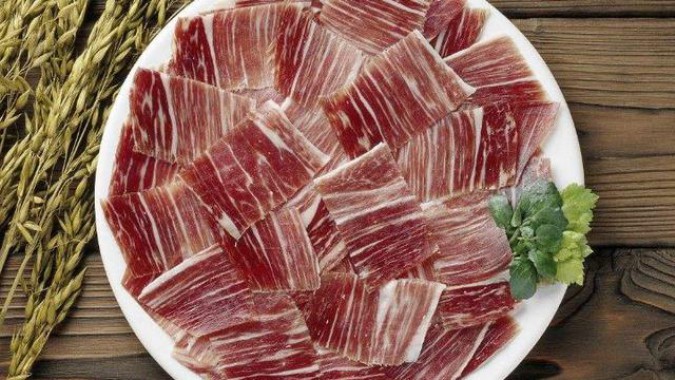
Therefore, this Spanish ham yellow rind yellow fat layer is definitely not edible! Its flavor seriously ruins the ham’s own taste. The correct way is, every time before slicing the ham to enjoy, use a sharp knife to cut off this yellow fat along with the outer hard skin. This process is called “limpiar” or “perfilar” el jamón. Keep cutting until you reveal the fresh fat underneath, which appears pinkish-white and soft in texture, as well as the Spanish ham yellow meat reddish, lean meat. Remember, only clean as much as you plan to eat at a time—don’t strip the whole leg at once, or the good fat inside will oxidize quickly.
Butter vs Good Fat: Spot the Difference at a Glance
To help everyone better understand, I made a simple comparison table:
| Feature | Yellow Fat | Fresh Quality Fat |
|---|
| Color | Dark yellow, wax yellow | Pure white, pinkish-white, slightly translucent |
| Texture | Harder, sometimes waxy | Soft, oily, releases oil when pressed |
| Smell/Taste | Rancid, bitter, pungent | Nutty aroma, melts in the mouth, sweet and fragrant |
| Handling | Must be cut off and discarded | Eaten with lean meat, a flavor treasure |
Seeing yellow fat on the ham should not cause panic; it does not mean the entire ham is spoiled. It actually indicates the ham has undergone sufficient natural curing. This “protective layer” shields the meat inside. As long as you clean it carefully before eating just like the Spanish, you can enjoy the authentic Iberian ham flavor!
Have you encountered any other issues when handling ham? Feel free to leave comments below to discuss and learn together!
