Fellow cured meat enthusiasts, I need some help! I recently got a Serrano ham, and today, excitedly, I began slicing it. However, after cutting through the outer layer, I noticed that the lean meat near the surface was a bit yellowish, unlike the deeper red color inside. I got a bit worried—can I still eat it? Did I end up with a faulty product?
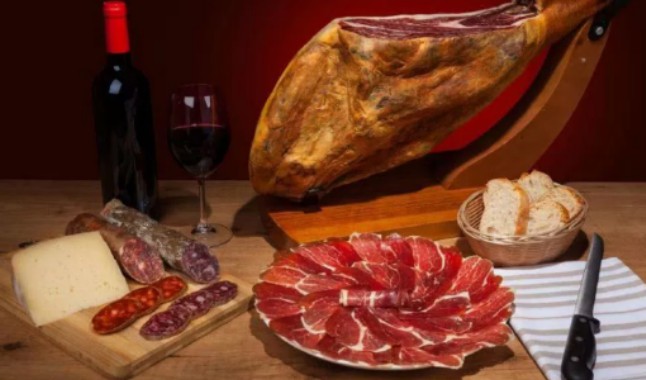
I looked up some info online and also asked my Spanish neighbor. After gathering some insights, I want to share my understanding here to see if it’s correct. This situation is actually quite common, especially when slicing a whole ham at home. The yellowish area, especially when appearing in the fat, is mainly due to the normal oxidation of fat. During the long drying and curing process, the parts exposed to air naturally undergo this reaction. It creates a distinct, strong rancid aroma; some people actually enjoy it, but most might find the smell too intense.
What Exactly Causes Yellowing in Ham?
In simple terms, there are two scenarios. The first is yellowing of the fat, which is normal. During curing and maturation, the ham’s fat undergoes complex biochemical reactions, turning its color from white to yellow. This is a key step in developing the ham’s flavor. The yellow shade is more evident on surfaces exposed to air or after longer storage. This slightly yellowed fat is safe to eat. However, if the Spanish ham yellow outer layer smell is unpleasant to you, Spaniards usually cut off the most yellow, strongest scented outer fat layer, a process called limpiar or pulir el jamón in Spanish.
The second scenario requires caution: yellowing of the lean meat. If large portions of the lean meat become dull yellow, with a dry, tough texture and loss of elasticity, possibly accompanied by a pungent off-odor, then the ham is likely spoiled or overcured. The taste would be very poor, and eating it is not recommended. Safety first: if the Spanish ham yellow fat smells strange, do not hesitate—just discard it!
To help everyone judge easily, here is a simple summary table:
| Description of Condition | Normal? | Suggested Action |
|---|
| Outer fat layer light yellow | Normal oxidation, common | Trim off the most yellow outer part before eating |
Lean meat partially yellowing | Abnormal | Possible spoilage, not recommended to eat |
| Accompanied by pungent rancid odor | Definitely abnormal | Discard entire piece, do not eat |
| Meat near the bone yellowing | Relatively common, complicated to handle | Trim carefully, flavor may be strong |
Don’t panic if your ham shows some yellowing. Most cases are false alarms. As long as the lean meat looks reddish and smells normal, trimming off a bit of oxidized fat leaves you with top-quality delicious ham. Have you ever encountered similar situations? How did you handle them? Feel free to share and discuss!
