Recently, a friend was preparing to travel back home and thought about bringing two Spanish “national treasures”—Jamón Ibérico—as gifts. He asked me about the current ham market. After some research, I noticed this year’s prices are somewhat confusing, so I decided to open a post to share with everyone and give some advice to those interested.
Why Are Ham Prices So “Unstable” This Year?
It feels like ham prices in recent years have been like a roller coaster. The main reason is the ongoing drought weather in Spain, which directly affects the production of acorns and the quality of pasture. With fewer acorns, the top-grade 100% acorn-fed ham naturally becomes more precious. On the other hand, feed grain costs are rising too, so even the Cebo-grade hams raised on grain feed have seen price increases. You could say, 150 euros per leg last year—it’s getting harder and harder to find quality legs at this price now.
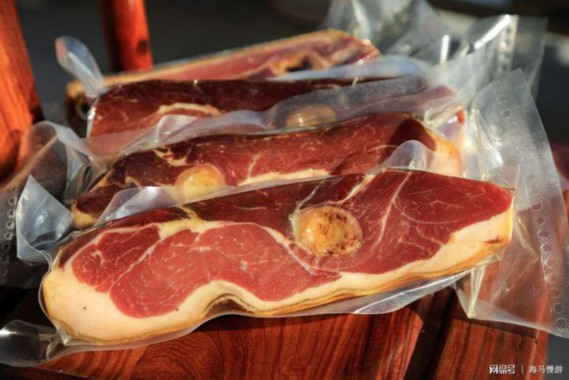
Many newcomers to Spain might have misconceptions about the Spanish ham price trends, thinking that any black hoof signifies top-quality ham. In fact, Jamón Ibérico is classified into several grades based on the pig’s purity and feeding methods, resulting in large price differences. Different color labels on the packaging are their “ID cards”: black stands for the noblest 100% acorn-fed Jamón Ibérico, red for crossbred acorn-fed hams, green for pigs fed on pasture and grain, and white for pure grain-fed. Make sure to check the label color carefully when buying!
To give everyone a clearer idea, I’ve compiled a simple price reference table. Note these are approximate ranges; actual prices vary by brand, year, and point of purchase.
| Grade | Main Diet | 2024 Price Range (€) |
|---|
| 100% Ibérico Bellota | Acorns, natural pasture | 450 - 800+ |
| Cebo de Campo | Pasture, grain feed | 250 - 400 |
| Cebo | Grain feed | 180 - 300 |
So, regarding the Spanish ham price trends, how can everyday people satisfy their cravings most cost-effectively? My advice: if you want the best value, focus on the green label “Cebo de Campo”, which has a richer flavor than the white label “Cebo” and a more affordable price compared to black and red acorn-fed hams. For daily consumption, buying pre-sliced or small-packaged ham at Mercadona or Carrefour is very convenient. But if gifting or seeking the ultimate taste, it’s best to carefully choose a black or red label ham at specialized ham shops.
How much have you spent on ham recently? Have you found any hidden gem legs? Feel free to share your experiences in the comments!
