Lately, when visiting Mercadona and Carrefour, I keep feeling that the prices in the ham section have quietly been rising, especially those whole hanging Jamón Ibérico, whose price tags look a bit painfully heartbreaking. I wonder if I’m the only one feeling this? Let’s talk about what the price trend of this Spanish treasure will be like in 2024.
Why Is Ham Getting More Expensive?
Actually, this price increase is not without reason. I chatted with a neighbor who runs a butcher shop and also looked up some information. There are several main reasons. First, the droughts in recent years severely affected the production of acorns, which is crucial for feeding Iberian black pigs to produce top-quality Spanish ham price trends. Fewer pigs mean naturally higher ham prices. Secondly, as everyone can feel, inflation impacts feed, labor, and transportation costs, all ultimately reflected in prices. So, the feeling that ham is expensive is truly justified, not an illusion.
Every time I see those thinly sliced, evenly marbled hams, I can’t help but salivate and accept the high price!
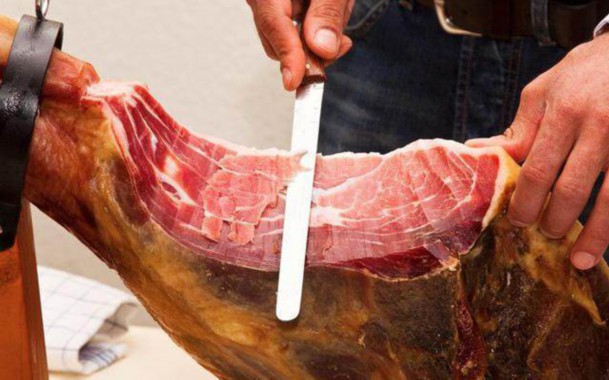
The grading system of Jamón Ibérico is quite strict; when buying, the colored label near the pig’s hoof is the main guide—different colors represent different levels and correspond to widely varying prices. For example, a black label is the noble 100% purebred Iberian acorn-fed ham; red indicates crossbred acorn-fed ham; green marks field-raised pigs fed mixed feed, and white denotes pigs raised in pens and fed commercial feed.
To give you a clearer idea, I’ve compiled a simple price reference table. Prices are approximate and vary by brand and region, for reference only.
| Ham Type | Main Characteristics | Price Range (Euros) |
|---|
| Jamón Serrano | White pig, grain-fed, shorter curing time | 10 - 25 |
| Jamón Ibérico Cebo | Black pig, grain-fed, longer curing time | 30 - 50 |
| Jamón Ibérico Bellota | Black pig, acorn-fed, top flavor | 60 - 120+ |
The table clearly shows a wide price range from entry-level Serrano to premium Bellota. For everyday family meals, good-quality Serrano or Cebo are already very tasty.
How to Buy Smartly Now?
My advice is that if you don’t require top-grade black pig ham Spanish price trends, keep an eye on supermarket discounts. Sometimes approaching-expiry sliced ham or Cebo grade hams from less famous regions offer excellent value. Also, some local butcher shops occasionally have unexpected quality finds. The most important tip: it’s best to try some sliced ham before buying a whole leg, since whole legs are expensive and you could lose a lot if it doesn’t suit your taste.
Now it’s your turn! How much have you spent on ham recently? Do you have any recommended brands or purchase channels? Looking forward to your comments!
