Hello to all friends living in Spain! I recently got a nice Iberian ham and after unwrapping it, noticed some yellowish color on the fat surface, which made me wonder: has it been kept too long and gone bad? Many newcomers facing whole legs of ham might share this concern, so today I want to talk about the phenomenon of “yellow fat” on Spanish ham.
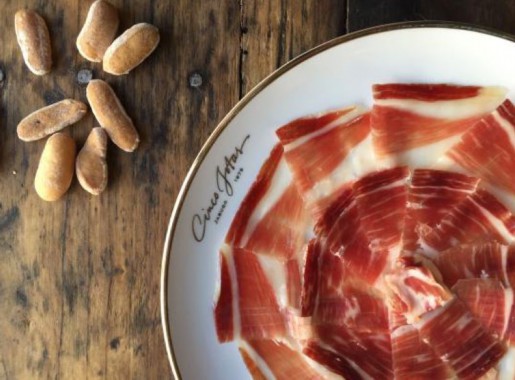
Don’t rush to throw it away! First, identify what kind of “yellow” it is
An important conclusion: yellow fat on ham can mean two things—one is “bad yellow,” the other is “good yellow.” Therefore, when you see yellow on the surface of Spanish ham yellow rind, you should definitely not throw it away immediately. The key lies in identifying which part it appears on and its condition.
Bad Yellow Fat: Oxidized Layer
The most common yellow fat is usually located on the outermost layer of the ham, exposed to air. During long curing and storage, this fat oxidizes from air contact, turning yellow, becoming hard in texture, and developing an unpleasant rancid smell. This part of the fat must be cut off and discarded—it is inedible! When slicing the ham, be sure to remove this oxidized yellow fat and hard rind until you reach the fresh, white or pinkish fat underneath; otherwise, its taste will affect the flavor of the ham meat inside.
Good Yellow Fat: A Sign of Quality
So, what is “good yellow”? If, when you slice the ham, you find that the fat interlaced with the muscle inside displays a subtle, natural golden yellow hue, congratulations—you most likelySpanish ham yellow fat have purchased a high-quality acorn-fed Iberian ham! This golden color derives from the pigs’ diet of abundant acorns during free-range feeding. Acorns contain natural antioxidants like beta-carotene, which infuse into the fat, giving it a distinctive golden tone. This fat is not only harmless but is the source of the rich flavor and smooth oily texture that characterize top-tier ham—it is truly “golden fat.”
For your convenience, here is a simple table to differentiate:
| Feature | Good Yellow Fat | Bad Yellow Fat |
|---|
| Location | Between muscles, inside the ham | Outermost layer, under the rind |
| Color | Naturally translucent golden or pale yellow | Dull, uneven waxy yellow or dark yellow |
| Smell | Rich nutty and acorn aroma | Pungent rancid smell, stale oily odor |
| Texture | Soft, oily, melts in the mouth | Hard, sticky, sometimes clumpy |
Next time you notice yellow fat on your ham, don’t panic. First, determine its position and condition, cut away the oxidized outer layer, and if the internal fat shows a pleasing golden color, then relax and enjoy this exquisite delicacy! Do you have any special tips for selecting or handling ham? Feel free to share and discuss below!
