If you’re new to Spain, have you ever felt confused like I did the first time I visited the ham section in a supermarket? Seeing labels that read 24 Meses, 36 Meses, or even 48+ Meses, with prices varying widely, can leave you wondering where to start. Today, I’d like to share from a food lover’s perspective what these “months” really mean, hoping to help those who are equally puzzled.
What Exactly Do the “Months” on Ham Refer To?
It’s quite simple: these “months” refer to the dry-aging and curing period of the ham. From the moment the ham is salted and cured to when it’s hung to naturally dry in controlled temperature and humidity, the entire duration is the listed “months.” This timeframe is one of the most crucial factors determining the ham’s flavor, texture, and price. The longer the ham matures, the more complex the internal changes, the greater the moisture loss, and the more concentrated the flavor compounds.
Flavor Differences for Different Aging Periods
So what differences can you expect when tasting hams of various months? Based on my experience and some references, I’ve compiled a simple comparison table for you to consider:
| Feature | 24-30 Months | 36-42 Months | Over 48 Months |
|---|
| Texture | Softer meat, more moisture | Balanced softness and firmness, oily and smooth | Drier, firmer texture |
| Flavor | Direct saltiness, pure meat aroma | Rich nutty and acorn notes with layered complexity | Extremely mellow, complex, and long-lasting sweet aftertaste |
| Fat | White and stable | Starting to have a “melt-in-your-mouth” sensation | Deliciously fatty, semi-transparent at room temperature |
| Suitable For | Beginners or cooking use | Most people’s favorite, best eaten directly | Savvy ham lovers and connoisseurs |
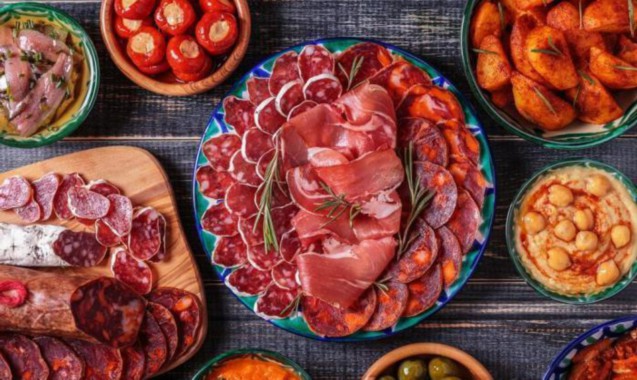
Therefore, when choosing ham, it’s not always better to go for longer months. For example, a 48-month ham offers a very intense flavor that might taste dry and salty to someone new to it—[https://www.52spain.com/d/30075-how-to-choose-the-month-for-spanish-ham-exploring-the-secrets-of-jamon-aging-time Spanish ham curing months] can sometimes be overwhelming. In contrast, a 36-month ham might impress you more with its richness. Personally, I find around 36 months to be a perfect balance for Jamón Ibérico: you get the wonderful nutty aroma and melting fat texture at a reasonable price, making it ideal both for personal enjoyment and as a gift.
Which “months” of ham you choose depends entirely on your flavor preferences and budget. Starting with 24 or 36 months is a good way to slowly appreciate the differences and find your favorite. Of course, ham grading is another important factor, which we can discuss in another post! How many months’ hams do you like to buy? Any pitfalls or treasures you’d like to share? Feel free to join the discussion in the comments!
