Brothers and sisters new to Spain, have you ever stood in front of the ham section in the supermarket feeling completely confused like me? Seeing labels such as “24 meses”, “36 meses”, or even “48 meses”, and wondering: isn’t this just ham? Why are there differences in months? Is it like buying wine, where older is better? Today, let’s talk about what these “months” actually mean when it comes to Spanish ham.
Actually, “meses” means “months” in Spanish, representing the period of dry curing and aging the ham undergoes from production start to final maturity. This process is the most critical step in determining the ham’s flavor, aroma, and texture. The longer the time, the more moisture the ham loses inside, and the flavor compounds become more concentrated and mellow. But longer does not always mean better; it depends on personal taste.
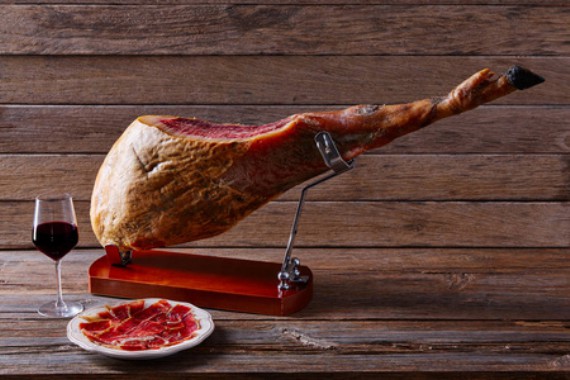
Different Hams, Different “Months”
Spanish ham mainly comes in two types: Serrano Ham and Iberian Ham. Their aging time standards are completely different. Generally, Serrano ham has a shorter curing time due to the pig breed and feeding method; while the prestigious Iberian ham, especially the acorn-fed variety, requires a longer time to develop its unique flavor. The table below makes it clear:
| Ham Type | Common Aging Time | Flavor Profile |
|---|
| Serrano Ham | 12 - 18 months | Slightly salty, firmer texture, straightforward meat flavor |
| Iberian Ham | 24 - 30 months | Starts exhibiting nutty aroma, oily and balanced |
| Iberian Ham | 36 - 48+ months | Flavor peak, complex aroma, melts in the mouth |
So, how to choose? If you are a beginner wanting to try, start with the most expensive 12-18 month Serrano ham or a 24-month Iberian Cebo ham. They are reasonably priced and allow you to nicely experience the fundamental flavors of Spanish ham. If you are an expert who pursues the ultimate in flavor and melt-in-the-mouth oiliness, then an Iberian Bellota ham aged over 36 months is definitely your best choice! How many months’ ham do you usually buy? Share your thoughts in the comments!
For more details, check Spanish ham aging differences.
