Have newcomers to Spain ever had the same experience as me? Going to the supermarket’s ham section, looking at rows of hanging large hams with labels like 12 months, 24 months, 36 months… and feeling totally confused. What exactly do these “months” mean? Does a higher number automatically mean better and tastier? Today, speaking as someone who’s made plenty of mistakes—an experienced “old hand”—I’ll share the secret behind these “months.”
What Exactly Do the “Months” on Ham Mean?
It’s actually simple: these “months” refer to the dry curing time of the ham. This is one of the most crucial factors determining the ham’s flavor, texture, and price. From the moment the pork leg is salted to when it hangs in a cool, well-ventilated cellar to slowly lose moisture, ferment, and develop its unique flavor, the entire duration is what the months on the label represent. The longer the time, the more water the ham loses and the more concentrated the flavor compounds become.
What Do Different Months Correspond To in Terms of Quality?
Generally, we can roughly classify common Serrano and Iberian hams based on their curing times. Of course, these are just industry references and standards may vary slightly among producers.
| Ham Type | Curing Time | Common Name |
|---|
| Serrano ham | 9-12 months | Bodega |
| Serrano ham | 12-15 months | Reserva |
| Serrano ham | Over 15 months | Gran Reserva |
| Iberian ham | Over 24 months | Cebo |
| Iberian ham | Over 36 months | Bellota |
Is More Months Always Better?
This is definitely the biggest misconception! The pricier the better, the longer the time the tastier—this idea isn’t entirely true. Different curing times offer completely different flavor experiences. Longer-cured hams have a very intense, rich flavor with nutty aromas; the texture tends to be drier and the fat more pronounced, leaving a long-lasting aftertaste. Meanwhile, hams cured for shorter periods have a juicier, softer texture and a milder saltiness, which can be easier to appreciate for those [trying Spanish ham for the first time (https://www.52spain.com/d/30074-what-do-the-months-mean-for-spanish-ham-is-there-a-big-difference-between-24-and-36-months)].
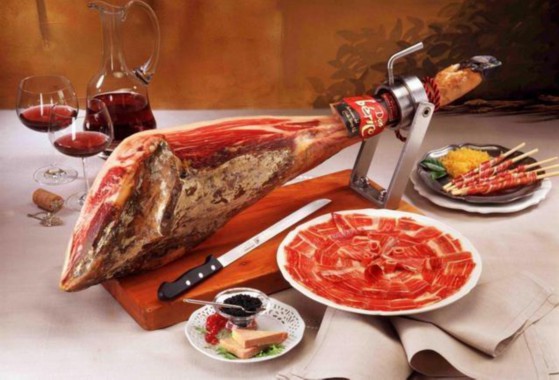
Personal Buying Tips
If you’re a ham beginner wanting to buy a whole leg to practice slicing at home, I recommend starting with a Serrano Gran Reserva around 15 months. The price is moderate, the flavor sufficient, and it’s not too overpowering. If you just want to try sliced ham to get a taste, feel free to go bold and try the 24-month Iberian Cebo to experience the unique richness of Iberian pork fat. As for the top-tier hams cured over 36 months—Bellota—these are ultimates meant for special occasions or seasoned gourmets!
Choosing the curing months for ham is like choosing a vintage for wine; it largely depends on personal taste rather than any absolute good or bad. I hope this post helps! What grade of ham do you usually prefer? Have you found any hidden gems at Mercadona or Carrefour? Feel free to share your experiences in the comments!
