Can You Distinguish Between Spanish Ham and Jamón Ibérico?
After living in Spain for a while, whether at markets or gatherings with friends, the topic of ham inevitably comes up. Eating ham with local friends, the phrase “Jamón Ibérico” always sparks lively discussions. So what exactly is the difference between Spanish ham and Jamón Ibérico? How can new immigrants or visitors pick authentic and delicious flavor? In this post, I’ll share my experiences and tips.
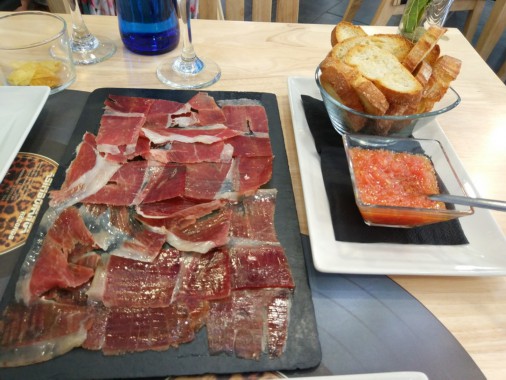
Types of Spanish Ham You Should Know
Spanish ham is divided into two main categories: Jamón Serrano and Jamón Ibérico. Their differences mainly lie in pig breed, rearing methods, and curing processes. A simple table explains:
| Category | Main Characteristics |
|---|
| Serrano Ham | White pig, salty and savory, affordable |
| Jamón Ibérico | Black pig, rich taste, higher price |
Why Is Jamón Ibérico So Expensive?
The most famous level of Jamón Ibérico is the “Bellota” grade, meaning black-hoofed pigs are free-range and primarily acorn-fed in oak forests, cured for at least 36 months. The ham’s texture is oily with natural nutty aroma, delicate and melts in your mouth. Prices can be high, but if your Spanish Jamón Ibérico production budget allows, don’t miss out on Ham Spanish Jamón Ibérico!
Where to Buy Authentic Ham?
The most common local purchasing channels include large supermarkets, specialized ham shops, and market stalls. When buying a whole ham leg, you can ask the store to slice it on the spot for easier storage. Smaller packages labeled with “D.O.” are more reliable. If the budget is tight, supermarket Serrano ham is also a very good daily choice to enjoy with drinks.
How to Properly Taste Ham?
Ham slices should be cut thin and long, served at room temperature to best express the aroma. Pair with a piece of bread, a glass of local red wine or sherry—this is a little joy of Spanish life. When I first arrived in Spain, I often used ham in sandwiches, but later realized enjoying ham on its own with fresh bread and a bit of olive oil is even better.
Tips for Buying and Storage
- Observe the fat distribution on the ham cut surface; the more even, the better
- Choose products with transparent labels indicating quality grade
- After opening sliced ham, keep refrigerated and consume within 3 days
- For whole legs, store in a dry, ventilated place; cover the cut end with cling film
Spanish ham is definitely a must-try Spanish Ham Ibérico Beef Ham delicacy locally, whether at gatherings or casual home meals, it brings great pleasure. If you have any questions about ham or ways to enjoy it, feel free to reply and join the discussion!
