Analysis of Spanish Dry-Cured Ham Prices
Spanish dry-cured ham has always been a symbol of Spanish cuisine. Whether at local markets, tapas bars, or fine dining restaurants, it is always present. Recently, many people have been concerned about ham prices; here are some of my insights, and you are welcome to add your thoughts!
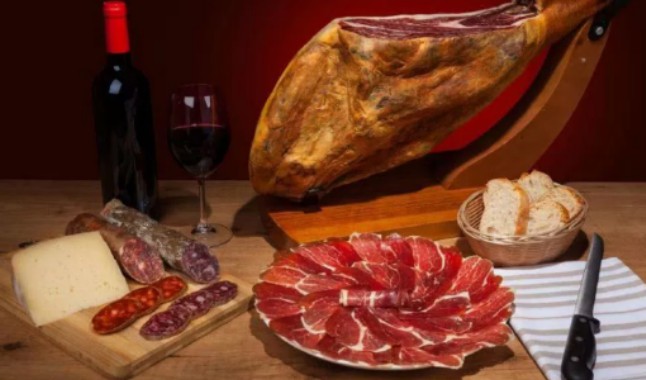
Price Difference Between Iberian Ham and Serrano Ham
Currently, in Spanish supermarkets and butcher shops, the most common types are Iberian ham and Serrano ham. Due to differences in breed, raising methods, and production regions, their price gap is quite significant. Below is the mainstream price range table:
| Category | Price Range per Kilogram |
|---|
| Serrano Ham | 15 - 35 |
| Iberian Ham | 45 - 300 |
Generally, Serrano ham is more suitable for everyday consumption, while premium Iberian hams like “Bellota” are considerably more expensive. Some brands even reach prices as high as 350 euros per kilogram or more.
Factors Influencing Prices
The pricing of dry-cured ham is influenced not only by brands but also by category, pig breeding practices, curing time, and the packaging and origin of the Spanish dry-cured ham itself. For example, products from black-hoof pigs, free-range farming, and mainly acorn-fed pigs tend to be more expensive. When purchasing, don’t just look at the packaging; it’s important to understand the craftsmanship and standards behind the Spanish ham drying altitude.
Where to Buy for Better Value?
Large supermarkets in city centers offer cost-effective Serrano ham and also provide Spanish dry-cured ham slices in vacuum-sealed packaging, which is more convenient for carrying and storage. If you seek premium quality, specialty shops or visiting ham-producing areas directly may offer slightly lower prices and fresher products.
Home Experience and Tasting Suggestions
If your budget is limited, it’s recommended to start with small packages to experience differences from various regions and brands. Dry-cured ham requires no cooking and pairs perfectly with bread and olive oil. It’s best served at room temperature to enhance texture and aroma. Don’t forget to accompany it with a glass of Spanish red wine for an even more delicious experience!
Other Users’ Experience Sharing
Friends who have lived in Spain, where do you usually buy your ham? Have you encountered any price traps? Do you have any practical identification tips? Feel free to join the discussion, whether you’re an international student or a local resident—let’s chat about Spanish dry-cured ham!
The above information is for reference only. Ham prices fluctuate depending on region and season; actual purchases should refer to prices at each shop.
