How to Choose and Experience a Whole Spanish Red Label Ham
Recently, I specifically bought a whole Spanish red label ham for a family gathering. It felt completely different from the pre-sliced supermarket versions—an amazing experience that made me want to share some tips on purchasing, storing, and enjoying it. Spanish ham is long regarded as one of the most representative local delicacies. The red label is a premium choice among Iberian hams and is definitely worth trying for those seeking a great balance between value and flavor!
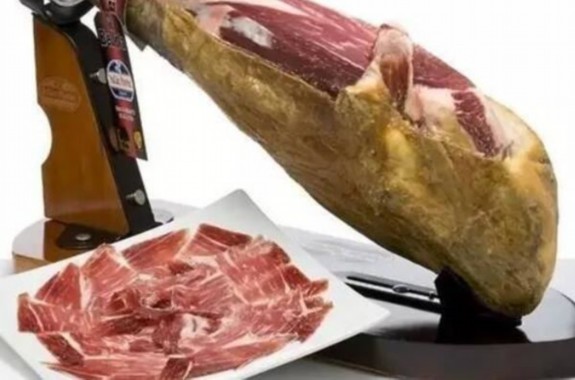
What Exactly Is Red Label Ham?
Spanish Iberian ham is categorized into four types: black label, red label, green label, and white label. The red label represents pigs with 50% to 75% Iberian bloodline, raised outdoors and fed acorns. Compared to black label, red label offers great value for money with an authentic taste. Since prices vary widely in the market, it is advisable to choose reputable brands to avoid counterfeit products.
| Standard | Red Label Ham | Black Label Ham |
|---|
| Bloodline | 50%75% | 100% |
| Feeding | Acorn + free-range | Acorn + free-range |
| Price Range | 25€/kg60€/kg | Over 70€/kg |
| Flavor & Texture | Rich aroma, abundant fat | More complex flavor |
How to Select a Reliable Whole Red Label Ham?
When selecting red label ham, the most critical thing is to recognize the official ham label. Look carefully for “Etiqueta Roja” and the producer’s origin information. It’s best to buy from specialized ham shops or reputable supermarkets. For first-time buyers, ask the salesperson to help you choose between bone-in or boneless options, depending on your space and intended use at home. You can also order online—just make sure to check the seller’s reviews and certifications on the Spanish Red Label Ham Recommendations page to avoid counterfeits.
How to Store a Whole Red Label Ham?
A whole ham is quite large, typically around 7–8 kg, and can be securely placed on a dedicated ham stand. The best storage is at room temperature in a dry place. After slicing, cover the cut surface with breathable gauze to prevent excessive drying, which might affect the taste. Refrigeration is not recommended, as it can diminish the ham’s flavor. As long as the cut section doesn’t mold, it can be stored for several months under normal conditions. The ham’s outer skin and white fat can be placed back on the cut surface to maintain moisture.
Slicing and Tasting Experience
Red label ham has evenly distributed marbling, and the sliced meat carries a subtle acorn aroma. The texture is smooth, with a balanced salty flavor. Slicing technique is important. If you can learn from a Spanish ham master in person, that’s the best way to master the skill—as shown on the Spanish Red Label Ham Eating Guide. Pairing it with a glass of Rioja red wine, along with some bread and cheese, makes for a perfect Spanish snack.
Summary and Recommendations
If you have the conditions at home, I recommend getting a whole red label ham. It offers excellent value and is great for sharing at gatherings. For first-time tasters, it’s advisable to research more and enjoy it together with friends to avoid overindulgence. A final reminder: consume in moderation, as ham is quite salty and fatty! Has anyone else bought a whole red label ham? Let’s share experiences!
