What Are Spanish Ham Bones and Rinds Used For?
Living in Spain long enough, it’s common to habitually buy a whole Iberian or Serrano ham. After enjoying the ham meat, the leftover bones and rind are actually kitchen treasures. Many newcomers or international students focus only on the ham meat, but the bones and rind can continue to shine in the kitchen, truly making the most of every part.
Cooking Tips for Ham Bones
The most common use for ham bones is making broth. For example, simmering stews, beans, or even rice dishes can benefit from a piece of ham bone to deepen the flavor of the broth. Breaking the ham bones into smaller pieces and freezing them makes them very convenient to use whenever needed. If you enjoy making recipes like Spanish ham bone soup, such as burdock stew, mixed vegetable stew, or chicken broth, adding ham bones for more complexity is a kitchen secret for many Spanish housewives.
| Ham Bone Uses | Tips |
|---|
| Broth base | Cracking bones into smaller pieces works better |
| Cooking beans | Combine with vegetables for richer taste |
| Stew rice | Cook together with seafood or chicken |
Uses and Handling Methods for Ham Rind
Many people discard the ham rind, but it’s unnecessary. The rind itself is rich in flavor and can be used in stews or cut into small pieces to enhance the flavor of dishes like those involving removing Spanish ham bones for stewing. The “oily residue” part can be rinsed with hot water to remove excess salt first, then 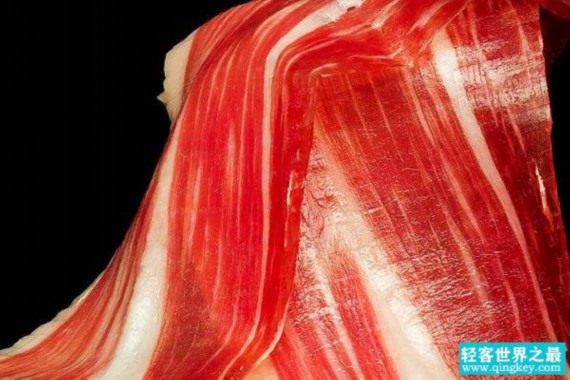 chopped with scissors and added to vegetable or bean soups, imparting a unique flavor. Additionally, some Spanish regions use ham rind to cook rice together with beans or on its own, offering distinctive taste.
How to Preserve Ham Bones and Rind
Preserving ham bones and rind can be quite simple. Crack the bones into pieces and freeze them in portions, so you can take one or two pieces each time you cook. It’s recommended to cut the ham rind into slices and freeze in portions as well. This way, you can enjoy Spanish ham flavor throughout the year. Note: ham bones and rind contain high salt content, so reduce extra salt accordingly during cooking.
Kitchen Creativity on “Residual Value”
Many Spanish friends share that ham bones and rind can also be used to stew beans and vegetables or even as a base layer for roasting meat, preventing meat from sticking and burning. Besides enhancing flavor by eating Spanish ham bones, this is also an eco-friendly and cost-saving lifestyle. Here’s a little tip: use ham bones to make rich broth; after cooling, it can be used as a dip for bread—the flavor is excellent.
Your Experiences and Suggestions Are Welcome
If you live in Spain, do you have any “little tips” about ham bones and rind? Feel free to discuss and share below. If you have favorite recipes, you can reply directly. Sharing together helps maximize the “residual value” of these ingredients!
