Is Mold on Spanish Ham Surface Normal? Tips on Handling and Storage Experience
Recently, I saw on forums that some friends purchased Spanish ham with mold on the surface, and many were worried whether it had gone bad. As a foodie who has lived in Spain for years and experienced mold on Spanish ham, I want to share some insights. 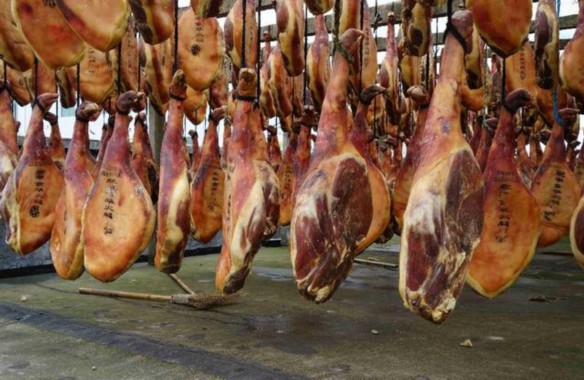
Why Does Spanish Ham Often Develop Mold?
Actually, Spanish ham, especially whole legs air-dried in the open air, naturally develops mold on the surface. These white or gray-green molds are typically part of the natural fermentation process, which helps the flavor mature, rather than the kind of mold that indicates spoilage.
| Ham Type | Mold Susceptibility |
|---|
| Iberian Ham | Highly Susceptible |
| Salamanca Ham | Sometimes |
| Regular Sliced | Rare |
How to Distinguish Normal Mold from Spoilage?
If you see white spots or slight greenish mold on the ham surface, as long as there is no off-odor and no sticky feel, it is generally benign mold. If causes of mold on Spanish ham include black, orange mold or unpleasant smell, it could signal improper storage or spoilage.
Should You Treat Moldy Surfaces?
Normally, before eating ham, [gently wipe off surface mold spots with clean kitchen paper or a soft brush]—some older locals even prefer to keep the natural surface flavor. Of course, for hygiene reasons, you can wipe it with light salt water or a small amount of olive oil.
How to Store Ham to Avoid Issues?
- Hang in ventilated, cool, and dry places
- Unpackaged sliced ham should be tightly wrapped in plastic wrap and refrigerated for short-term consumption
- Whole legs are recommended to be wrapped in cotton cloth
- Avoid direct sunlight and high humidity
Note: Most mold on ham is surface-level and does not penetrate the meat interior as detailed in whole ham mold issues!
Summary and My Advice
When enjoying ham in Spain, don’t panic if you find mold on the surface; most normal mold does not affect health or taste. Check promptly if you notice unusual colors or smells. Do you have other tips for ham preservation or special experience with mold handling? Feel free to share and discuss!
