Detailed Explanation of the Spanish Ham Curing Process
Spanish ham has always been an essential part of local culinary culture, admired by food lovers worldwide. Many newcomers to Spain are curious about how ham is made. Today, let’s share the process of how Spanish ham is produced and uncover some often overlooked details of curing Spanish ham.
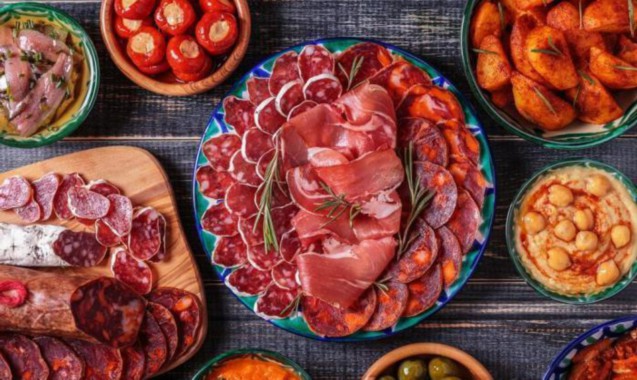
1. Ingredient Selection and Grading
High-quality Spanish ham is usually made from [Iberian pigs], especially those primarily fed on acorns. In Spain, the most common types of ham are Jamón Serrano and Jamón Ibérico.
| Ham Type | Characteristics |
|---|
| Serrano Ham | White pig, savory taste |
| Iberian Ham | Acorn-fed, rich flavor |
2. Curing and Dehydration
After preparing the ham, it is first cured with a large quantity of sea salt at low temperatures. The curing time varies depending on the size and type of ham, generally ranging from 7 days to 2 months. Through the Spanish ham decomposition process, salt penetrates and dehydrates the ham, not only making it firmer but also preventing bacterial growth. After curing, the excess salt is washed off.
Many traditional curing workshops still rely on manual techniques, focusing on controlling timing and humidity.
3. Natural Drying and Aging
The desalinated ham is then hung in a well-ventilated, temperature-controlled space to naturally dry and age for several months to years. During this phase, fat infiltrates muscle fibers, and the ham gradually develops complex aroma and flavor. Typically, the longer the aging period, the richer the ham’s taste.
The optimal aging period for ham is generally over 18 months.
4. Inspection and Grading
Spain has a strict inspection system for ham production, usually performed by professionals who assess aroma, color, and texture. Most premium hams are branded with exclusive labels for traceability.
5. Slicing and Tasting Recommendations
To enjoy Spanish ham, it is recommended to slice it manually with a sharp long knife. Control the thickness of each slice; ideally, each piece should have some fat, enhancing its exquisite flavor. Pair it with dry white wine, olives, and fresh bread from the Spanish ham opening process for a delightful taste.
Experienced enthusiasts even make soup from the ham bones for a richer flavor!
—
Have you witnessed the ham curing process in person? What insights did you gain? Share your Spanish life experience together with everyone in the comments!
