Detailed Explanation of Spanish Ham Curing Process
Spanish ham has always been an important part of the local culinary culture and is highly praised by food lovers worldwide. Many newcomers to Spain are curious about how ham is made. Today, let’s share the details of how Spanish ham production process Spanish ham is cured, including often overlooked aspects.
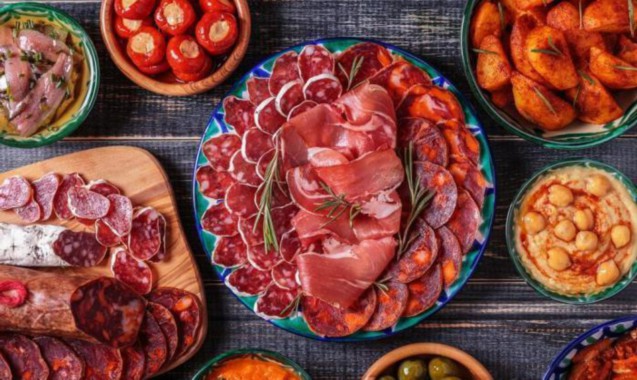
1. Ingredient Selection and Grading
High-quality Spanish ham typically uses [Iberico pigs], especially those fed mainly on acorns. There are two main types of Spanish ham: Jamón Serrano and Jamón Ibérico.
| Ham Type | Characteristics |
|---|
| Serrano Ham | Common white pigs, savory and salty flavor |
| Iberico Ham | Acorn-fed, rich in taste |
2. Curing and Dehydration
After processing, the ham is first cured at low temperature with a large amount of sea salt. The curing time varies depending on the size and type of ham, generally ranging from 7 days to 2 months. Through the Spanish ham decomposition process salt penetrates and dehydrates the meat, not only making the ham firmer but also preventing bacterial growth. After curing, the remaining salt is rinsed off.
Many traditional curing workshops still rely on manual techniques, focusing on controlling timing and humidity.
3. Natural Air Drying and Aging
The salt-washed ham is hung in a well-ventilated, temperature-controlled space to undergo natural air drying for several months to years. During this phase, fat penetrates the muscle fibers, gradually creating complex aromas and flavors. Generally, the longer the aging period, the richer the ham’s taste.
The optimal aging period for ham is usually over 18 months.
4. Inspection and Grading
Spanish ham production has a strict inspection system, usually conducted by professionals who evaluate the aroma, color, and texture. Most high-quality hams come with exclusive labels, facilitating traceability.
5. Slicing and Tasting Recommendations
It is recommended to use a sharp long knife to slice Spanish ham manually. Controlling the thickness is important, and each slice is best served with an appropriate amount of fat to fully present its delightful flavor. Pairing with dry white wine, olives, and fresh bread following the Spanish ham opening process creates a wonderful experience.
Experienced people also use ham bones to make soup, enhancing the flavor even more!
—
Have you personally witnessed the ham curing process? What insights can you share? Join the discussion and share your Spanish living experiences in the comments!
