Detailed Explanation and Buying Advice for Salt Dedicated to Spanish Ham
When it comes to Spanish cuisine, ham is undeniably an iconic delicacy. Besides using high-quality pork specialized for Spanish ham, selecting the right salt dedicated to ham curing is also an essential step in producing authentic Iberian or traditional Serrano ham. Here, I would like to share some knowledge about salt dedicated to Spanish ham, as well as how to try using a specialized knife for Spanish ham at home~
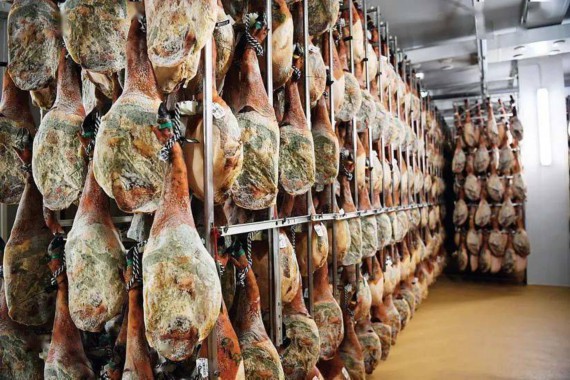
Why Use Salt Specifically for Ham?
Ham curing salt not only preserves and sterilizes but also profoundly influences the final flavor and texture of the ham. Spanish ham curing salts are generally natural sea salts with large granules, easy to cover the pork leg layer by layer. Through the curing process, they help the ham dehydrate, increase savory saltiness, and inhibit bacterial growth, making the meat firm and elastic. Proper salt usage directly impacts ham quality!
Main Categories of Ham Salts?
Here is a simple list of commonly used types of Spanish ham salt and their characteristics:
| Salt Type | Characteristics |
|---|
| Sea Salt | Common, large granules, rich in minerals, natural taste |
| Rock Salt | Harder texture, slower salt release, suitable for slow curing |
| Refined Salt | High purity but lacks mineral flavor, less recommended for home curing |
Some premium ham brands also add a small amount of herbs or spices to the sea salt to develop unique aromas, but the most authentic Iberian ham typically uses only single high-quality sea salt.
How to Choose Salt Dedicated for Ham?
Many domestic salts contain anti-caking or iodine additives, which are unsuitable for long-term ham curing. When purchasing, make sure to select “additive-free” and “non-iodized” pure sea salt, preferably coarse granules between 3-6 mm. Some imported Spanish ham salts indicate “Sal para Jamón” on the packaging, and buying Spanish original imports online provides more assurance.
Salt Usage Tips for Home Curing
- Approximately 1 to 1.2 kg of salt per 1 kg of pork leg, applied layer by layer, fully covering the meat surface.
- Curing time should be adjusted depending on temperature and pork leg size, usually 7 to 14 days.
- Maintain curing temperature around 4-6°C; low temperatures help balance texture and flavor development.
- After curing, thoroughly clean the surface salt before drying/maturing.
Summary: Proper Salt Selection Is Key to Great Ham
Ham quality depends not only on breed and climate but also on high-quality specialized salt. Based on my experience: if you have access to specialized Spanish ham red wine locally in Spain, large supermarkets or spice shops can provide “Sal para Jamón” directly. If abroad, always look for genuine Spanish imports and avoid compromising with supermarket refined salts!
Feel free to share your own experiences in homemade ham curing or salt selection!
