Complete Process Sharing for Spanish Ham Market Stalls
Spanish ham has always been a beloved delicacy by both locals and tourists. With the growing culture of markets and street vendors, more Chinese friends plan to try selling ham at local markets. Having operated a stall in a central Madrid market for over a year, today I will share some practical experiences about running a Spanish ham stall, including details from Spanish ham essentials.
Choosing the Right Ham and Cutting Tools
The type of ham you choose directly affects your business success. Common hams for market stalls include Jamón Serrano and Jamón Ibérico. Beginners are recommended to start with Serrano due to its affordable price and wide customer acceptance. Essential cutting tools include:
- Ham holder
- Long ham knife
- Skinning knife
- Gloves and disinfectant
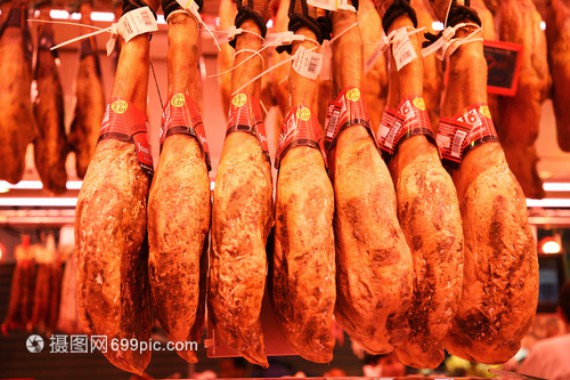
Here is a tool display image referencing Spanish ham special knives:
Stall Permits and Mobile Market Regulations
In most Spanish cities, you must apply in advance to the city council for a market stall license. Some Spanish ham special red wines markets allow temporary short-term stall rentals for foreigners, but valid documentation and tax identification numbers are still required. It is advisable to prepare your NIE, tax number, and health certificates. Some areas also require additional health and safety training certificates, especially for large market events, so extra attention is needed.
Choosing Ham Sourcing Channels
Many beginners source their ham from local wholesale markets to ensure quality and price. Some artisanal ham workshops accept small batch orders, allowing price negotiation on smaller quantities.
| Channel | Advantages |
|---|
| Wholesale Market | Low prices, wide variety, authenticity guarantee |
| Artisanal Workshops | Specialty products, outstanding taste, beneficial for branding |
| Supermarket Specials | Convenient for last-minute restocking |
Personal advice: When starting out, try several suppliers and compare prices.
Sales and Customer Communication Tips
Communicating with locals in basic Spanish helps a lot. Simple phrases like “¿Quiere probar un poco?” can quickly build rapport. Slicing and offering samples promptly are key to attracting customers. Maintaining hygiene and cutting on-site greatly enhances appeal.
Avoid arbitrary price cuts as they negatively affect market pricing. Prepare gift packaging for holiday sales, which tends to be popular.
Stall Precautions and Common Issues
- Pay attention to sun protection and temperature control; ham should not be stored at high temperatures.
- Always wear gloves, keep knives and work surfaces clean.
- Maintain interaction and smiles with customers to build repeat business.
- Cooperate with inspections by relevant authorities and keep all documents ready.
If anyone has questions about selling Spanish ham at stalls, feel free to join the discussion! Wishing everyone booming business and a delightful taste of life in Spain.
