What Are the Cuts of Spanish Ham? A Comprehensive Analysis of Spanish Ham Cut Pronunciations
Spanish ham is recognized as one of the country’s treasured products, but many newcomers may only know that it tastes delicious while being confused about the different cuts of the ham. Actually, each ham cut offers unique flavor, texture, and uses!
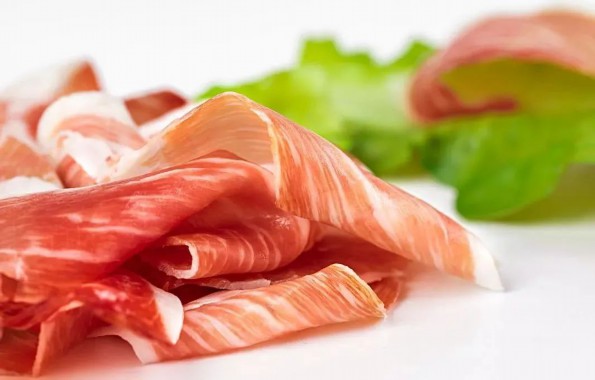
Main Components of the Ham
A whole Spanish ham is divided into several parts. Common ones include:
- Maza
- Contramaza
- Punta
- Babilla
- Cadera
Each part varies in muscle and fat distribution, resulting in distinctive tastes and textures.
| Cut | Description |
|---|
| Maza | The thickest and widest part with fat marbling, richly flavorful, and the most popular section |
| Contramaza | Finer fibers close to the bone, with a deep and intense flavor |
| Punta | The ham’s tip, rich in fat and chewy |
| Babilla | Leaner, near the bone, with a slightly firmer texture |
| Cadera | Connected to the hip, firm meat with a unique aroma |
How to Choose Your Favorite Cut?
Maza is the most popular choice for most, with delicate meat and a balanced fat ratio, perfect for eating immediately after slicing. If you want a richer flavor, Spanish Ham Segmentation Cuts suggest that Contramaza is a great option. For those who crave chewiness and oily aroma, Punta offers a different experience. The Babilla cut suits those who prefer a firmer bite.
Common Eating Methods and Suggestions
Spanish people prefer to eat ham freshly sliced, and the thickness of slices varies by cut. Thinner Maza slices are ideal as appetizers; Punta pairs well with bread or red wine; Babilla chunks can also be added to stews.
Which Cut Do You Like the Most?
Everyone’s preference for ham cuts varies. Feel free to share your favorite cut and why! Does anyone find Babilla tough but increasingly flavorful the more you chew? Or is Contramaza’s rich fat aroma addictive? Let’s discuss together~
