Detailed Explanation of Spanish Ham Cutting Parts
As a friend living in Spain, it should be easy for you to find various types of Iberian ham and Serrano ham at supermarkets or specialty ham shops, as explained in Spanish Ham Part Pronunciation. However, when you first arrive in Spain, facing the dazzling variety of ham, have you ever been confused by the different cutting parts? Today, let’s talk about the common cutting parts of ham and their characteristics to help you choose and enjoy it better.
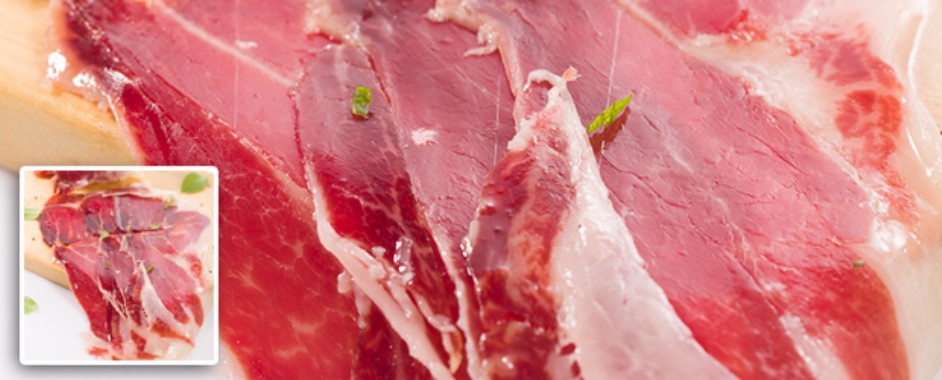
Main Sections of the Ham
Generally, a whole Spanish ham can be divided into several main parts:
- Masa: This part contains the most meat and has the richest flavor, making it the most popular section of the ham.
- Babilla: Located on the other side of the ham, it has slightly less fat and is suitable for slicing thinly to taste.
- Punta: The tip of the ham with a stronger flavor, often used for stewing or making soups.
- Codillo: Near the bone, firmer and sinewy, ideal for those who prefer a chewier texture.
| Part | Description |
|---|
| Masa | Tenderest, evenly marbled, rich in flavor |
| Babilla | Firmer texture, leaner meat |
| Punta | Strong flavor, suitable for cooking |
| Codillo | Sinewy, ideal for stews |
How to Choose the Part That Suits You
If you prefer a delicate texture, choose the Spanish Ham Part Masa section first. For those fond of a rich meaty aroma, the Punta is better suited for soups or pairing with bread. Babilla goes well with red wine, and the Spanish Ham Slicing Parts make excellent appetizers. When slicing, it is recommended to start from the Masa, then switch parts after finishing to maintain the ham’s flavor and freshness.
Home Storage and Usage Tips
Since ham is rarely consumed all at once, proper home storage is essential! It is advisable to cover the sliced surface with a clean cotton cloth to prevent it from drying too fast. Don’t throw away the leftover bone; it adds great flavor when stewed or used in bean dishes!
Share Your Insights
Have you encountered any questions during ham shopping or slicing?
Feel free to leave your cutting tips and tasting experiences in the comments below this post – your insights might just help other community members!
