Introduction to Spanish Iberian Ham Craftsmanship
When it comes to Spanish ham, most people usually think of Iberian ham. In fact, Iberian ham is another name for ham made from Iberian pigs. This type of ham has a history spanning several centuries, featuring a complex process and unique flavor, highly beloved by locals in Spain. I have lived in Spain for a few years and personally witnessed the ham production process, so I want to share some experiences and insights with you.
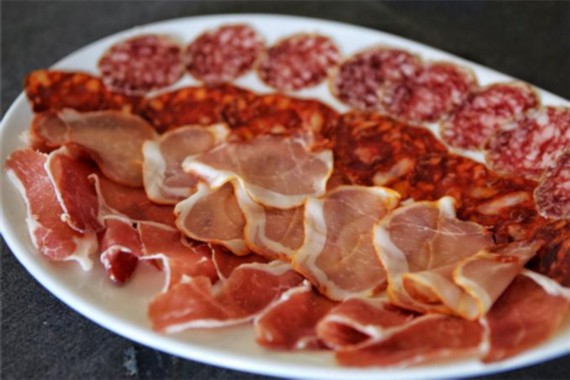
Everyone knows that premium ham depends on the raw materials. When selecting pig legs, the best choice is the black-hoof Iberian pig, which mainly feeds on acorns, resulting in tender and flavorful meat. Before curing, carefully check the integrity of the leg and the fat distribution; generally, the surface of the whole leg should be delicate and elastic, which helps produce better flavor after curing.
| Step | Key Points |
|---|
| Select Meat | Black-hoof pig leg, evenly distributed fat and lean |
| Curing | Wrapped with coarse sea salt, stored away from light |
| Washing | Remove salt, maintain humidity |
Curing Technique Sharing
The pig leg is evenly wrapped in coarse salt and cured at room temperature for about one to two weeks. During curing, regular checks are necessary, maintaining indoor temperature between 8-12°C. After curing, rinse the pig leg thoroughly with clean water to remove excess salt on the surface, then hang in a ventilated and cool place for air drying. This stage is very important and usually lasts between 6 to 12 months. If conditions at home permit, it is best to use a dedicated hanging hook for meat to prevent insects and rodents, as explained in Iberian Ham Spanish Ham.
Personal Ham Experience in Everyday Life
Sharing a personal experience, I once helped a friend at their hometown to cure a ham myself. The entire process, although long, was very rewarding. When freshly sliced, the aroma of acorns combined with the marbled fat truly whetted the appetite. The finished ham can be sliced and eaten directly, or paired with bread or cheese, instantly enhancing the happiness of life. If you have the chance to try curing at home, as in Spanish Ham Iberian, you must try it—this experience is completely different from store-bought ham.
Tip: When making ham at home, pay attention to hygiene, inspect regularly, and prevent mold.
Ham Storage and Slicing Suggestions
Once the ham is finished, it should be hung in a ventilated place away from direct sunlight. A whole ham can be stored for 6 to 12 months. For the cut parts, wrap them with a clean cloth and store at low temperatures. When slicing, it is recommended to use the traditional diagonal slicing method, with each slice about 2 mm thick to improve texture. The phrase “A slice, a world” perfectly describes the unique charm of Spanish ham.
If you have any questions or methods related to ham, feel free to leave comments in the forum! I hope my sharing helps those who want to experience traditional Spanish cuisine.
