Libyan Ham and Spanish Ham: Two Gems in the World of Gourmet Food
When it comes to ham, the most familiar is definitely Spanish ham, but in recent years, Libyan ham has also gradually emerged on the international market. As someone living in Spain, I often discuss the differences between these two types of ham. Today, I’d like to share some of my personal experiences and insights.
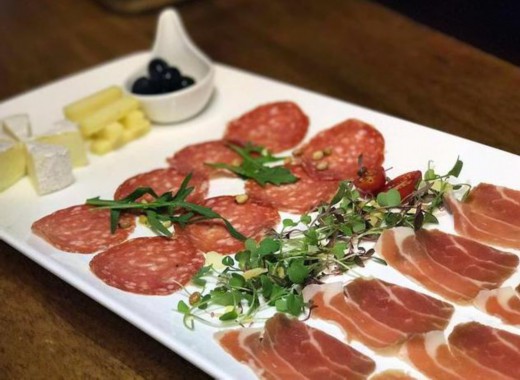
Comparison of Origins and Processes
In terms of origin, Spanish ham mainly comes from Andalusia, Extremadura, and other regions, with the most famous being Jamón Ibérico. Although Libyan ham does not have as long a history as Spanish ham, it uses local breeding methods, resulting in a distinctive flavor.
| Ham Type | Origin |
|---|
| Spanish Ham | Andalusia, etc. |
| Libyan Ham | Local Libya |
Regarding production techniques, Spanish ham is often cured and air-dried for a long time. Common types include Serrano and Ibérico. Libyan ham is usually traditionally salted and cured with a shorter drying period, featuring a saltier taste and firmer texture. Personally, if you prefer a rich meaty aroma, Spanish ham suits you better; however, if you like a straightforward salty flavor, the Spanish and Libyan ham production process is worth exploring with Libyan ham.
Taste and Appearance
Spanish ham slices show an enticing red color with white marbling of fat, melting in your mouth with rich layers of flavor. Libyan ham, on the other hand, appears darker with less noticeable fat distribution, offering a simpler taste but prominent savory and meaty notes. Both suit cold consumption, yet Spanish ham pairs especially well with wine, notably red wine.
Nutritional Value and Healthy Choices
Spanish ham is renowned for high-quality pig breeds, rich in protein and unsaturated fatty acids beneficial to health. Libyan ham also contains high protein but, due to its curing method, has high salt content, so it should be consumed in moderation. For those with hypertension or needing a low-sodium diet, choosing Spanish ham over Libyan ham might be more appropriate.
Purchase Tips and Practical Advice
When buying ham at Spanish supermarkets or markets, here are some tips:
- Look at the slice color: bright red Jamón Ibérico usually indicates the best quality
- Smell the aroma: Spanish ham with nutty and fermented scents is preferred
- Check the fat: even fat distribution suggests scientific breeding
Libyan ham is often sold vacuum-packed, making it suitable to take home as Spanish and Libyan ham snacks or to accompany meals, offering good value.
Pairings and Serving Recommendations
The most common way to enjoy Spanish ham is paired with bread, olive oil, and red wine, creating a fulfilling bite. Libyan ham can be used in sandwiches, paired with salads, or served as a cold plate.
For an innovative twist, you can mix both types of ham to experience different layers and flavors.
Summary and Interaction
Actually, neither ham is better; it all depends on your personal taste. Have you tried Libyan ham or do you have unique ways of enjoying Spanish ham? Feel free to reply and share—maybe we’ll discover new culinary pairing inspirations!
