A Complete Guide to Spanish Ham Processing Techniques
When it comes to Spanish cuisine, Iberian ham is definitely a beloved classic for many. As a long-time member of a Spanish lifestyle forum, today I want to share the traditional processing methods behind this ham. Although premium ham making seems simple, the process actually requires great patience and attention to detail. Let’s explore step-by-step how Spanish ham processing gives birth to this delicacy.
1. Raw Material Selection
Selecting the right ingredients is a key step. Authentic Spanish ham mostly comes from Iberian black pigs, with only healthy pig legs of suitable weight chosen as raw material. Typically, the pigs are fed natural foods like acorns, which ensures the flavor and quality of the meat from the source.
2. Curing Process
After selecting the pig legs, they undergo curing. Usually, the legs are covered with natural sea salt to fully draw out moisture and start flavor penetration. The curing duration varies depending on the size of the ham and desired taste, generally lasting 1 to 2 months. Temperature and humidity control are extremely important during this stage.
3. Cleaning and Shaping
Once curing is done, workers rinse off excess salt with water and then shape the legs to prepare for the next step. In some areas, cold air drying is used to let the surface dry completely.
4. Drying and Aging
This core stage of the Spanish ham processing method determines the ham’s flavor and texture. Drying is usually divided into 【natural drying】 and 【temperature-controlled room drying】. Natural drying requires hanging pig legs in a well-ventilated, cool mountain house, lasting from six months to a year; temperature and humidity are adjusted seasonally. After lengthy fermentation and drying, the ham gradually develops its unique aroma.
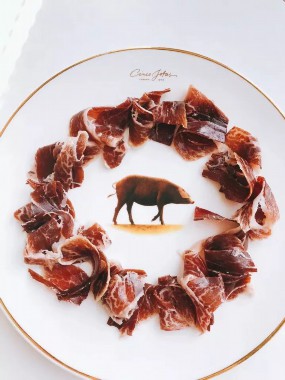
5. Final Grading and Storage
Once finished, the ham is graded by professionals through tapping and smelling. Different grades directly affect the price. The ham can continue to be hung for preservation for months or even years, enhancing its flavor.
| Processing Steps Spanish Ham Processing Base | Key Points Summary |
|---|
| Selection | Iberian black pig, healthy pig legs |
| Curing | Natural sea salt, low temperature curing |
| Drying | Natural ventilation, humidity regulation |
| Aging | Beautiful marbling and unique aroma |
| Grading | Professional tapping and smelling for grading |
If you love gourmet food or live in Spain, you might want to explore the flavor differences of local hams from various regions. Feel free to leave comments below sharing your favorite brands or buying tips, and discuss the subtle flavor changes caused by different curing times.
