Detailed Explanation of Spanish Ham Processing Methods
When it comes to Spanish cuisine, ham is unquestionably one of the iconic representatives. Many people wonder how this delicious ham is produced. In fact, the processing methods of Spanish ham are very meticulous, blending history with the local natural environment. Today, we will share with you the general processing flow of Spanish ham from raw pig to table.
1. Raw Material Selection and “Curing”
The most famous types of Spanish ham are Iberian ham and Serrano ham. Their raw materials are Iberian black pigs and regular white pigs respectively. Generally, pigs with sturdy build and well-distributed fat are selected. After slaughter, the hind legs are trimmed and then cured. Here, Spanish ham processing workflow involves evenly covering the ham with a large amount of sea salt, and traditional workshops sometimes add various herbs. This step usually lasts 1 to 2 weeks, but the exact duration varies depending on the type and size of the ham.
2. Cleaning and Drying Outdoors
After curing, the salt on the surface of the ham must be washed off, then hung in a well-ventilated cellar or drying room to allow surface moisture to evaporate naturally. This step called “cleaning and drying” lasts about 30 to 60 days. Controlling the humidity and temperature of the drying environment is critical, as it directly affects the development of subsequent flavors.
| Processing Step | Main Purpose |
|---|
| Curing | Preservation, flavor infusion |
| Drying | Dehydration, crust formation |
| Air drying and maturation | Flavor development |
3. Air Drying and Maturation
After drying, the ham undergoes a long maturation period. The ham master hangs it in a cellar with temperature and humidity control; the length of this period determines the depth of the ham’s flavor. The usual maturation for Serrano ham is 9-12 months, while high-quality Iberian ham requires at least 36 months or longer. During this time, natural enzymatic and microbial activity enriches the ham’s aroma complexity. Details of maturation vary slightly by region or brand, which is one of the reasons why Spanish ham processing enjoys such diverse excellence.
4. Trimming and Grading
After long air drying, the hams are selected, graded, and trimmed. Experienced masters tap on the crust, using the sound to judge if the interior is evenly matured, and rate the ham according to aroma and texture. Some premium hams come with origin certification labels.
5. Slicing and Serving Suggestions
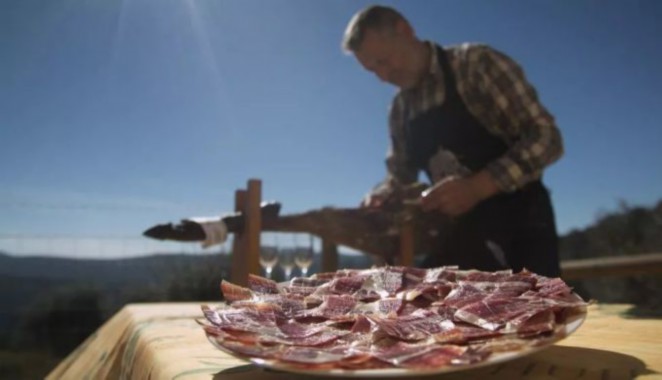
Spanish ham emphasizes the art of slicing. Typically, a special long knife is used to hand-slice the ham ultra-thinly; the thinner the slice, the richer the fat’s mouthfeel experience. When eating, pairing with a glass of red wine or Spanish sherry better releases its rich aroma. Tip: It is best to taste ham at room temperature for the purest flavor.
Finally, the deliciousness of Spanish ham depends on the meticulous and rigorous traditional craftsmanship behind it. If you enjoy Spanish cuisine, it is highly recommended to personally try and experience the flavor differences of various hams from the Spanish ham processing base.
