Introduction to Spanish Ham Varieties
If you are living in or traveling to Spain, you will definitely notice a wide range of hams. Spanish ham holds an irreplaceable position on local dining tables. Many people feel confused by the numerous ham names and labels. Today, I have compiled some common varieties and practical tips to help you avoid mistakes when ordering in supermarkets or restaurants.
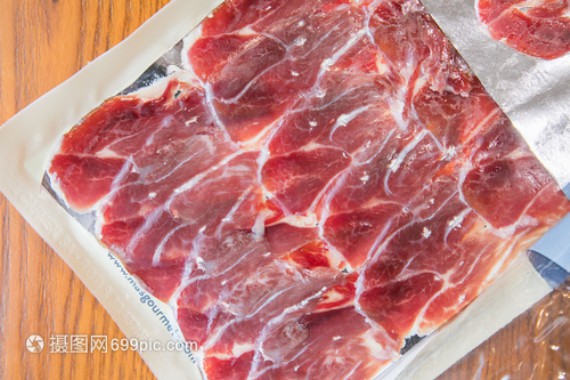
Major Ham Varieties
The hams most commonly seen in the market mainly belong to two categories: Iberian Ham and Serrano Ham. Iberian ham is a premium range, famous for its unique flavor and fat content; Serrano ham, on the other hand, has higher production, a more affordable price, and is suitable for daily consumption. The table below briefly compares the two:
| Ham Name | Main Pig Breed | Price Range | Flavor Characteristics |
|---|
| Iberian | Iberian Black Pig | High | Melting texture, nutty aroma |
| Serrano | White Pig | Low to Mid | Fresh and savory |
Iberian Ham is further divided into several types based on the pig’s lineage and feeding method. The “Bellota” refers to free-range black pigs fed on acorns and is the top-tier choice; the next is “Cebo,” which denotes pigs raised on regular feed. When selecting, pay attention to the percentage purity on the label—the higher the percentage, the purer the Iberian bloodline.
Serrano ham is usually classified by curing time into three categories: Bodega, Reserva, and Gran Reserva—the longer the cure, the richer the flavor.
Storage and Slicing Tips for Ham
Once you get a whole leg of ham, it is recommended to secure it on a ham holder and slice along the grain direction as thinly as possible. If you buy pre-sliced ham packages, such as Spanish ham black is a variety, wrap the opened pack with cling film and refrigerate.
If you forget refrigeration or the drying environment is too humid, the ham’s flavor will noticeably decline. Experience suggests buying in small quantities more frequently.
How to Choose Authentic Spanish Ham?
- Check the label: Iberian ham generally has a “DO” (Denomination of Origin) certification.
- Smell: Good ham has a subtle acorn and buttery scent.
- Test the fat: High-quality Iberian ham fat melts quickly when warmed, offering a smooth mouthfeel.
Feel free to share in the comments which other special hams you have tried. Do you have brand recommendations?
