Detailed Guide to Spanish Iberian Ham Iberian Ham Spain
Every time I see neatly stacked, beautifully colored ham legs at the supermarket or local markets, I can’t help but stop and admire. Spanish Iberian ham is truly an indispensable delicacy in the local Spanish White-Haired Ham lifestyle! This post aims to casually share insights about Spanish Iberian ham, and you’re welcome to leave comments and exchange experiences.
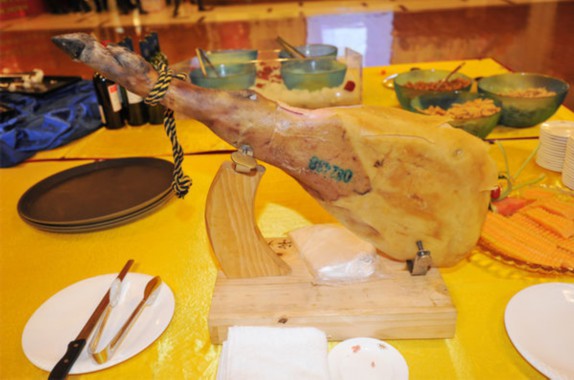
What is Iberian Ham?
Iberian ham refers to dried ham made from the Iberian black pig and is one of Spain’s most iconic traditional delicacies. It differs greatly from Serrano ham and is mainly produced in southwestern Spain, such as Andalusia, Extremadura, and Salamanca. Iberian black pigs are typically raised free-range in oak groves and mainly feed on acorns, which is key to their meat’s rich, fatty texture and unique flavor.
Types and Differences of Ham
Spanish ham can be classified into several grades, with the highest quality being Jamón Ibérico de Bellota, meaning the black pigs are free-range and acorn-fed, with the ideal protein-to-fat ratio, resulting in the richest flavor. Other types include Jamón Ibérico de Cebo, differing mainly in breeding methods and diet. The table below gives a simple overview:
| Ham Type | Description |
|---|
| Bellota | Acorn-fed, free-range |
| Cebo de Campo | Field-raised, mixed feed + natural forage |
| Cebo | Mainly feed-based |
How to Choose and Store Ham?
In Spain, ham can be purchased as whole legs or sliced. Whole legs are ideal for family gatherings, while sliced ham is more convenient for everyday use and sharing. When buying in supermarkets, you can judge quality by color and aroma. If the Spanish Iberian ham meat is a whole leg, it’s recommended to look for the Denominación de Origen certification label, which guarantees the origin and quality.
For storage, whole legs can be kept on a stand at room temperature away from light, sealing the cut surface after each slice. Sliced ham is best consumed the same day at room temperature; if unfinished, wrap in cling film and refrigerate. Freezing ham is not recommended as it affects texture and flavor.
Tips for Enjoying Ham
Spanish people pay great attention to how they eat ham: Slicing is the soul! Proper slicing ensures evenly distributed fat, resulting in a more fragrant taste. Ham often pairs well with bread, tomato, or olive oil. Making your own healthy tapas is very simple—try putting ham slices on toasted bread spread with crushed tomatoes; it’s fantastic with a drink!
You can also experiment with different pairings of ham with red wine or sherry to experience authentic Spanish living. Do you have special ways to eat or buy Iberian ham? Feel free to share your recommendations below!
