Everything About Spanish Iberian Ham
When it comes to Spanish cuisine, Iberian ham is undoubtedly a classic you can’t miss. Whether you are studying, working, or planning to settle down in Spain, this delicacy, often called the “national treasure of Spain,” is worth trying. Like many friends and myself, newcomers often don’t know how to choose or why it’s so special, so today I’ll share some of my experiences and insights on Spanish Iberian Ham.
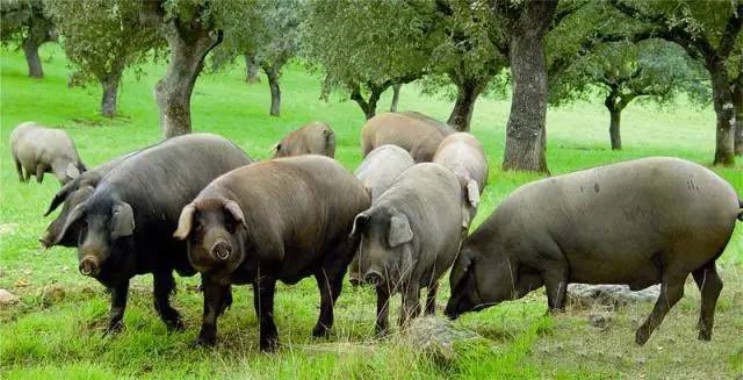
Origins and Characteristics of Iberian Ham
What people often call “Iberico ham” actually refers to cured ham made from Spain’s unique Iberian pig breed. This pig mainly grows in southwestern Spain, such as Andalusia and Extremadura. Iberian pigs primarily feed on acorns and natural pasture, giving the meat a distinctive nutty aroma and high-quality fat content, so the Spanish White Hair Pig Ham offers a delicate and aromatic taste.
Main Classifications of Iberian Ham
Many beginners get overwhelmed in supermarkets, but Iberian ham mainly classifies based on feeding methods and purity level:
| Category | Description |
|---|
| Bellota | 100% pure Iberian black hair pig, fed acorns, top grade |
| Cebo de campo | Semi-free range, partly fed acorns and natural grass |
| Cebo | Mainly grain-fed, more affordable |
The most recommended to try is the Bellota grade ham; although pricier, its flavor truly matches the cost.
Tips for Distinguishing and Purchasing Ham
They may look similar in the market, but prices vary widely. When purchasing, pay attention to these points:
- Check the black, red, green, and white labels on the Spanish Iberian Ham packaging—black stands for pure Bellota, red for hybrid Bellota, with other levels declining accordingly.
- Many supermarkets and markets offer tastings on-site; look for slices with evenly distributed fat showing a creamy yellow hue.
- If not buying a whole leg, vacuum-packed sliced portions are convenient and suitable for small family servings.
How to Store and Enjoy Iberian Ham
If you buy a whole leg, store it in a cool, ventilated place. Consume sliced ham shortly after cutting, or cover lightly with cling film. The ham can be enjoyed alone or paired with Spanish tapas, bread, and red wine—a quintessential part of Spanish social life!
Must-Try Delicacy for Experiencing Spanish Life
To deeply understand Spanish culinary culture, whether traveling or living here, Iberian ham is an iconic local delicacy not to miss. I recommend visiting major mercados or specialty ham shops on weekends, trying different grades and brands until you find your favorite. Have you discovered other cost-effective or uniquely flavored hams? Feel free to share and discuss here!
