What Exactly Is the Fermentation Layer on Spanish Ham?
Friends living in Spain are surely familiar with ham. During festivals or gatherings, you often see a ham leg hanging at home. Many people wonder what the “white,” “hard” layer on the surface of ham really is. Today, let’s talk about some knowledge regarding the fermentation layer on Spanish ham.
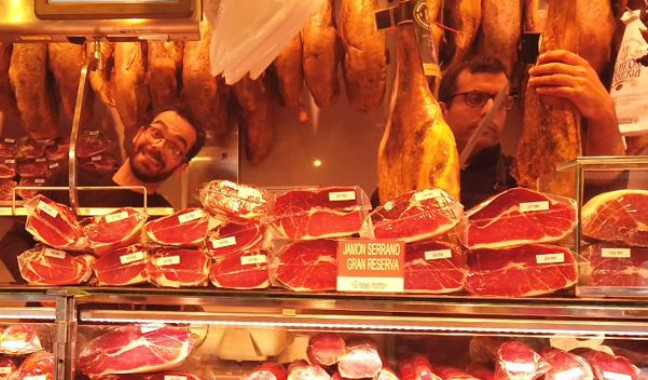
Science and Formation of the Fermentation Layer on Ham
The unique flavor of Spanish ham owes much to this fermentation layer on its surface. In fact, this “fermentation layer” mainly consists of naturally crystallized salt, fat, and certain microbial communities. During traditional curing, the ham must hang for a long time in well-ventilated places with suitable temperatures to slowly dehydrate and mature. Beneficial bacteria from the environment settle on the ham surface, promoting internal flavor development and forming a protective layer. Generally, this fermentation layer is white or pale yellow and emits a slight “nutty aroma.”
How Does the Fermentation Layer Differ Between Ham Types?
The two common types are Iberian ham and Serrano ham. Due to diet and longer maturation periods, Iberian ham has a thicker and more elastic fermentation layer; meanwhile, Serrano ham’s layer is thinner and drier. When choosing ham in the market, you might want to pay attention to Spanish ham fermentation temperature requirements.
| Ham Type | Fermentation Layer Thickness | Flavor Characteristics |
|---|
| Iberian | Thicker | Rich nutty aroma |
| Serrano | Thinner | Distinct salty aroma |
How to Handle the Fermentation Layer on Your Home Ham?
Many newcomers worry that the “white frost” on a whole ham means it’s spoiled, but there is no need to worry! It is generally recommended to gently scrape off the fat and fermentation layer with a short knife before slicing. Avoid washing or over-cleaning, as this can negatively affect quality. Slicing-wise, only if the Spanish fermented ham smells off or appears discolored should you pay extra attention.
Life tip: Gently wipe the surface with a clean cloth or paper towel — the safest and most practical method.
Storage and Pairing Suggestions
Once sliced, ham oxidizes quickly. It is recommended to seal the cut surface with lard or olive oil after each slicing, then cover it with cheesecloth or plastic wrap to prevent excessive drying. Paired with a piece of bread and local wine, it makes a classic Spanish snack.
Do you have any questions or experiences about the fermentation layer on Spanish imported fermented ham? Have you encountered any “disaster” moments while preserving ham at home? Feel free to leave comments below and share experiences!
