How to Store Bone-in Spanish Ham? Proper Temperature Is Key
Hello everyone! After spending a long time living in Spain, ham has become an indispensable delicacy on the dining table. Many friends often ask after buying a bone-in ham: how exactly should it be stored? What temperature is most suitable? As someone who has eaten quite a bit of ham and exchanged experiences with local friends about the ideal heating temperature for Spanish ham, today I’d like to share some practical tips on storage.
Ideal Storage Temperature Range
Generally, bone-in ham is recommended to be stored at an environment between 12℃ and 20℃. This prevents the ham from drying out excessively and becoming too hard, while avoiding spoilage due to too high temperatures. What if you don’t have a dedicated cellar at home? Actually, most Spanish households’ kitchens or storage rooms, provided they avoid direct sunlight and have good ventilation, meet these conditions quite well. Do not put it in the refrigerator! Low temperatures cause flavor loss and negatively affect the texture when slicing.
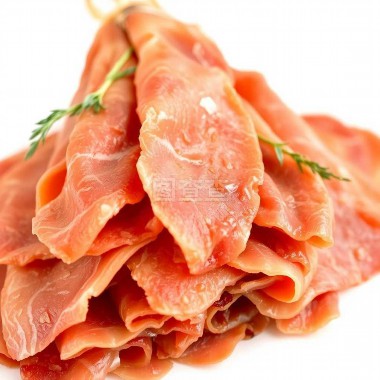
Storage Environment and Details
When storing ham, it is very important to keep it dry, ventilated, and out of direct light. You can gently cover the ham’s cut surface with a clean cotton cloth, gauze, or a special ham cover. This effectively prevents dust and insects while discouraging mold growth. For the parts you have sliced, it’s best after each cut to cover the cut surface with the thicker fat piece you cut off or plastic wrap; this helps prevent cracking and locks in the aroma.
Coping with Seasonal Climate Changes
Summer weather can make the storage temperature of Spanish ham quite warm, so remember to avoid stuffy kitchens or excessively high temperatures. If there isn’t a particularly cool spot at home for preparing Spanish ham temperature, you can choose the coolest time of day to slice it and cover it quickly afterward. In winter, in humid areas, check often for unusual mold spots on the ham. Normally, white mold on the surface can be wiped off with a cloth and is nothing to worry about.
Tip: Because of the natural fermentation process, the appearance of white crystals on the surface is normal and not spoilage.
Storage Method Comparison
| Storage Method | Description |
|---|
| Room temperature, shaded, and ventilated storage | Recommended, best preserves original aroma and flavor |
| Refrigerator cold storage | Not recommended, causes flavor loss and hardening |
| Plastic wrap plus fat coating on surface | Effective against cracking, suitable for home use |
| Vacuum sliced storage | Suitable for short-term storage and portability |
Conclusion
Storing bone-in ham is actually quite straightforward and personal—you don’t need to be overly tense or perform complicated operations. As long as you control temperature and humidity and pay a little attention daily, the ham will grow more flavorful over time. If you have different storage experiences, feel free to reply and share! Let’s make life tastier together!
