Temperature Control Tips for Making Spanish Ham
Hello everyone, recently I have been trying to make Spanish ham at home. I researched extensively and also exchanged experiences with some local Spanish friends. I found that temperature is especially crucial during the curing and aging process of the ham. The Spanish ham storage temperature inspired me to come to the forum and [share some hands-on experiences and insights].
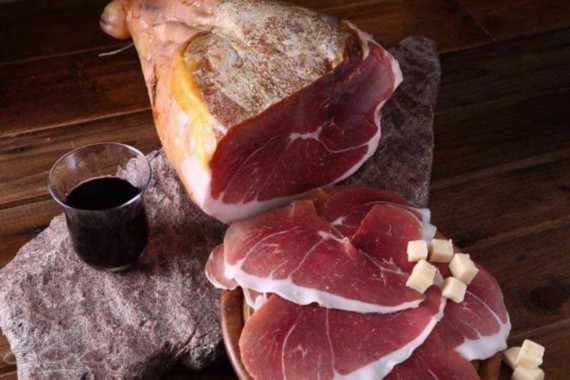
Recommended Temperatures for Curing and Drying Ham
Spanish ham is mainly divided into Iberian ham and Serrano ham, but the basic curing and drying processes are similar. Both are highly sensitive to temperature. From my practice:
Curing Period
Recommended temperature: 4°C to 8°C
Temperatures that are too high can cause the ham to spoil or become overly salty, while too low temperatures impede salt penetration.
Drying/Aging Period
Recommended temperature: 10°C to 18°C
Try to maintain humidity between 60% and 80%. Temperatures that are too high make the ham dry and rough, while too low increase the risk of mold.
| Stage | Recommended Temperature | Practical Advice |
|---|
| Curing | 4°C - 8°C | Cool, ventilated place; wrap with coarse salt |
| Initial Dry | 10°C - 12°C | Avoid sunlight, protect from rodents |
| Aging/Maturing | 14°C - 18°C | Regularly check surface mold |
My Insulation Tips
Since I don’t have a professional ham cellar at home, I rotate the ham between the fridge’s temperature zones and a cellar. During curing, I place the ham on the lower shelf of the fridge; then for drying, I move it to a cool, ventilated small storage room.
Never blindly pursue lowering the temperature; what you must avoid most are humidity and direct sunlight!
Common Temperature Mistakes to Avoid
Based on experience, many beginners worry about temperatures not being low enough and put the ham in the freezer. According to the Spanish ham storage temperature, freezing is actually fatal for ham: freezing will damage fibers and flavor. Also, some people hang the ham outside in summer where temperatures rise significantly, which only leads to spoilage.
Some Practical Discussions
What kind of storage environment do you generally use when making ham at home? Have you experienced spoilage due to temperature control failure?
Feel free to add or correct my experiences; let’s explore together better production methods that suit real-life conditions in Spain!
