Detailed Production Process of Spanish Ham
Many newcomers to Spain rave about the ham here. As one of Spain’s culinary treasures, Spanish ham involves a highly sophisticated production technique. Today, let’s share the entire production process of Spanish ham from raw material selection to the finished product.
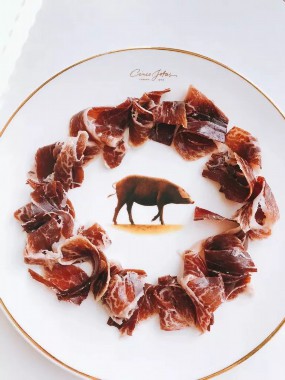
1. Raw Material Selection
First, the key lies in the choice of raw materials. Usually, Iberian black pigs or white pig breeds are used, which directly influences the flavor and fat richness of the ham. The pigs are free-range in oak forests, mainly feeding on acorns. This natural rearing method is believed to create ham with superior flavor and finer texture.
2. Curing Process
The ham is typically cured using sea salt, which is applied thoroughly on the surface of the hind leg to dehydrate and infuse flavor. The curing time varies from several days to over ten days depending on the climate and size of the ham. The quality of curing directly affects the final saltiness and texture of the ham.
| Stage | Key Operations |
|---|
| Curing | Apply sea salt, stack for storage |
| Washing | Remove excess salt |
3. Washing and Resting
After curing, excess salt on the surface is washed off, and the ham is left to rest briefly. This step allows the saltiness to become more evenly distributed. Next, the ham is hung in a well-ventilated room for air drying.
4. Fermentation and Air-Drying
This is the longest yet most critical phase in the Spanish ham production workshop layout process. The ham slowly dehydrates under natural conditions; sea breezes and mountain winds add delicate flavors. The drying time depends on the type of ham, typically ranging from 12 to 36 months. Some premium Iberian hams are even air-dried for over three years!
Throughout this process, temperature, humidity, and air circulation are strictly controlled—this is a key secret of traditional Spanish ham factories.
5. Inspection and Packaging
Professional tasters inspect the ham using aroma and needle puncture tests in the Spanish ham production environment to confirm its flavor and maturity. Once approved, it is sliced and packaged, ready to enter the market and delight your palate!
Have you ever tasted different flavors and origins of ham in Spain? Feel free to leave your comments and experiences to explore Spanish culinary culture together!
