Detailed Method of Making Spanish Ham
When it comes to Spanish cuisine, the uniquely flavored Spanish ham cannot be missed. Many people are curious about how this delicious delicacy is made. Today, combining my observations from living in Spain, I will talk about the official ham making process and some home-version tips.
## 1. Selection and Pre-treatment
Spanish ham usually uses the hind leg of Iberian or white pigs, known for their firm meat and rich fat content. Fresh pig legs need to be thoroughly cleaned, rinsing off surface impurities with water. If at home you cannot buy a large pig leg as described in Ham Making Method in Spain, you can use smaller pieces of pork to simulate the process; although the flavor differs, the operation method is similar.
Tip: When choosing pork, pay attention to evenly distributed fat and a reddish meat color.
## 2. The Curing Process
The most critical part of making ham is curing. The Spanish tradition involves covering the whole pig leg with coarse sea salt, burying the meat in salt, and using a curing time of one day per kilogram of meat, typically lasting 10 to 14 days. Then the leg is taken out, surface salt washed off, and hung in a cool, ventilated place to dry.
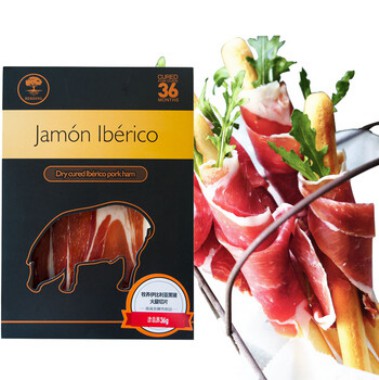
## 3. Drying and Aging
After curing, the pig leg is air-dried in a dry and ventilated environment, where humidity and temperature are crucial. Professional Spanish ham factories separate aging stages by spring, summer, and autumn, generally requiring 6 months to over 2 years. For home production, shorter drying times are recommended to avoid spoilage. Weekly checks for mold on the surface are necessary; if mold appears, wiping with olive oil is advised.
## 4. Storage and Slicing Tips
Once fully dried, wrap the ham in cloth and hang it in a cool place for storage. When slicing, use a sharp knife and cut thin slices at an angle. Slices as thin as cicada wings allow you to fully enjoy its aroma and fat.
Experience Summary Table
| Step | Key Points |
|---|
| Selection | Prefer hind leg meat, rich in fat |
| Curing | Sufficient sea salt, strict timing |
| Drying | Dry, ventilated, proper temperature and humidity |
| Slicing & Storage | Slice thinly, avoid drying out |
Although Spanish ham making may seem complex, it holds a lot of enjoyment. If you get a chance to try, you will surely experience the unique taste of Mediterranean life! Feel free to leave comments to share your recipes and experiences~
