Spanish Ham Production Methods Shared from Spain
When it comes to Spanish specialties, ham definitely ranks as one of the top delicacies. Many people have tried sliced ham in supermarkets or restaurants, but have you ever wondered how this traditional delicacy is made? Today, I will share with you the commonly used local production methods for Spanish ham, along with some tips and experiences.
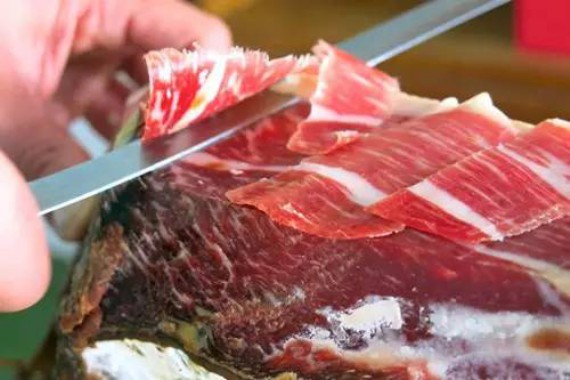
1. Choosing and Preparing the Ham
The most important step in making Spanish ham is selecting the raw materials. Generally, the Iberian pig is the first choice for producing top-quality ham. If you are in Spain, you can directly buy fresh hind legs at the butcher’s shop.
Refer to the comparison table below before starting:
| Type of Ham | Characteristics |
|---|
| Serrano | Rich flavor, widely available |
| Ibérico | Rich in fat, long-lasting aroma |
2. Notes on the Curing Process
Curing is key! After selecting the meat, cover the pig’s leg with coarse sea salt. The curing time is usually related to the weight of the ham (Ham Production Method in Spain); about one day per kilogram. During curing, flip the ham daily to ensure the salt penetrates evenly.
After curing, rinse the ham with clean water, then hang it in a well-ventilated, cool, and shaded place to dry. The drying time usually lasts at least one month, while some premium hams require natural air drying for more than a year.
3. Fermentation and Maturation
Drying the ham doesn’t mean the process is complete; it still requires a “ripening” phase. During this period, the natural environment—temperature, humidity, and air quality—works together so the ham slowly ferments over time, developing richer flavors.
4. Slicing and Storage Tips
Once the ham is ready, the most delicate part is actually slicing and storing it. It is recommended to use a special ham knife, slicing along the grain to fully enjoy the authentic aroma in every slice. For storing leftover ham, ensure ventilation but avoid direct sunlight. To prevent it from drying out, you can cover it with a clean cotton cloth.
Tips from Spanish Friends
1. Making ham is a test of patience; don’t rush, slow and steady wins the race.
2. Weather changes greatly affect ham maturation; if conditions are unsuitable, you can use wine cellars or heated rooms to assist.
3. When slicing ham, pairing it with bread, tomatoes, or olive oil enhances the authentic taste.
Feel free to share your experiences! Have you ever tried making Spanish ham at home? Or do you have any tips to share? Leave your comments and let’s discuss~
