What Color Is the Black Part of Spanish Ham Really?
Whenever you slice Spanish ham, you’ll notice a dark, almost black ring on the outer skin. Many people wonder: Is the ham spoiled because it’s so dark? Will eating it affect your health? Today, let’s uncover the truth behind the “black” outer layer of Spanish ham.
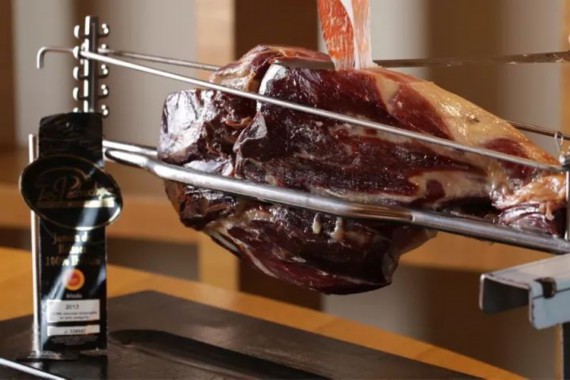
Origins and Function of the Black Outer Layer
Actually, the black part we see on Spanish ham mostly appears on the surface of the skin or the fat layer. This dark color mainly arises from the natural curing and drying process. After long exposure to air, the ham’s outer layer oxidizes and changes color. Combined with traditional methods such as salting, fermentation, and microbial action, this results in the distinct deep color. These black areas are not mold or spoilage but an important sign of the ham’s maturation.
Color Analysis and Visual Misconceptions
Most people initially perceive that ring as pure black. But if you look closely, you’ll find it’s closer to dark brown, sometimes with hints of purple-red or even burnt yellow. The color slightly varies depending on the ham’s part, breed, drying period, and production technique. Beginners are advised to taste a small slice before judging quality based on color alone.
Should the Ham’s Surface Be Removed?
According to traditional eating methods, about 2-3 mm of the outer black skin and the oxidized fat layer are usually removed. This avoids a bitter taste and lets you enjoy the richer flavor of the ham meat. The steps are as follows:
| Step | Description |
|---|
| 1 | Cut off the outer black hard skin |
| 2 | Remove the oxidized fat layer |
| 3 | Reveal the pink ham meat |
Black Color and Quality: No Need to Worry
Authentic Spanish Iberian ham often has a dark outer layer, which indicates it has undergone thorough drying and maturation, resulting in a more intense flavor. As long as there is no obvious rotten smell or abnormal spots, it is perfectly safe to eat!
Home Storage and Eating Tips
When slicing at home, remember to cover the cut surface with cling film to prevent further oxidation and discoloration. After removing the outer layer, the remaining ham is a delicious treat. In summary:
- The black color on the ham’s surface is mostly a Spanish ham color difference dark brown, which is normal.
- Remove the outer black skin before eating.
- The dark outer layer is closely related to good quality.
Do you have any more questions about Spanish ham? Feel free to leave a comment below and let’s share culinary insights together!
