Analysis of the Shape Characteristics of Spanish Ham
Many friends living in Spain or food lovers know that Spanish ham is not only incredibly delicious but also impressively unique in appearance. Today, let’s talk about the typical shape characteristics of Spanish ham to help you be more skillful in selecting and identifying it.
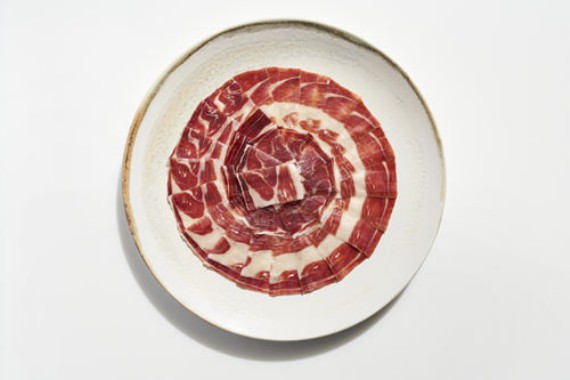
1. Slender shape with black hoof end
The common shape of Spanish ham is very slender and elongated, especially prominent in the thigh area. Particularly, the famous Iberian ham keeps the pig’s hoof quite intact and its Spanish ham characteristics introduction has a darker color, which reflects the pursuit of authentic and traditional flavor. The Serrano ham made from ordinary white pigs sometimes has a lighter-colored hoof end. In fact, walking into supermarkets or butcher shops, you can easily distinguish these two main types by just looking at the hanging hams—a practical tip for connoisseurs.
2. Ham grading and carving areas
Since Spaniards like to slice the whole ham directly, the shape sections are also very particular. Different parts have various fat distributions, leading to different shape features. The table below organizes the common parts and their features:
| Part Name | Features |
|---|
| maza | Rich in fat, delicate meat, best for slicing |
| babilla | Firm and not greasy, suitable for long-term storage |
| punta | Strong flavor, slightly membranous |
| caña | Tough due to many tendons, but good for cooking |
3. Drying process and shape evolution
Most Spanish hams use natural air-drying. During this process, the outer layer gradually turns deep red or light brown, making the shape tighter and more slender. Due to climate and altitude, hams from different regions show slight differences in shape. For example, northern hams are generally firmer, while southern ones tend to be more elongated due to higher temperatures and faster moisture evaporation. These shapes actually carry the imprints of geographical environment and lifestyle habits.
4. Home buying and storage tips
Many newcomers in Spain consider keeping a ham at home, and selecting a shape should match actual needs. Generally, hams with uniform shape, natural color, and intact hoof end are more reliable. Also, hanging the ham in a cool, ventilated place is the best way to store it. Remember to cover the sliced surface with a special cloth to avoid excessive drying. Though Serrano and Iberian hams look similar, their details and fat distribution differ, so observe the appearance and fat carefully when buying.
5. Experience and sharing
Spanish ham is not just food, but a cultural symbol. Its unique shape facilitates traditional air-drying, slicing, and preservation, embodying the life wisdom of generations of Spanish families. If you have your own ham buying, storing, or slicing experiences, feel free to share and discuss them in the comments section to learn from each other!
Let’s explore the charm of Spanish ham with both our taste buds and eyes through Spanish ham characteristics!
