Local Experiences Buying Ham in Spain
As someone living in Spain and familiar with the local names of Spanish ham, many people are naturally curious about the ham you find here. After all, ham is one of the most iconic dishes on Spanish tables, with a wide variety and unique flavors. Recently, I helped my family pick a few hams and, impressed by the experience, I want to share my buying insights along with some practical information. Friends with experience are welcome to join the discussion!
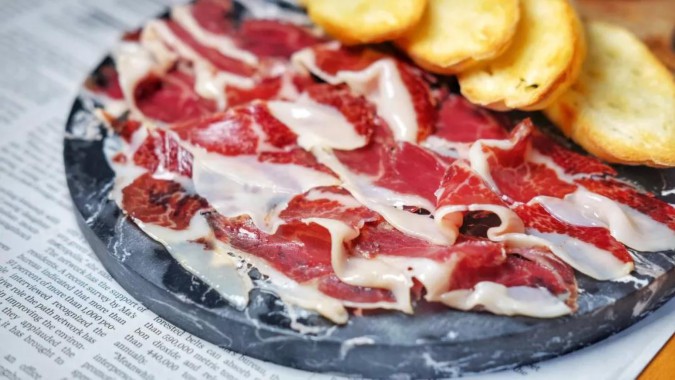
Understanding the Categories of Spanish Ham
There are mainly two types: Jamón Serrano and Jamón Ibérico. The Ibérico ham is more premium and expensive, featuring rich flavor layers and evenly distributed fat. Serrano ham is more common and offers better value. Before purchasing, it’s best to understand the ham’s labels and grading, such as Bellota and Cebo, which directly affect quality and price.
| Variety | Reference Price €/kg | Characteristics |
|---|
| Serrano | 12 - 25 | Common, firm meat |
| Ibérico Cebo | 30 - 50 | Farm-raised, moderately oily |
| Ibérico Bellota | 60 - 150 | Acorn-fed, rich fat, top-tier |
Recommended Places to Buy
Buying ham in Spain is convenient, with common options including large supermarkets, local butcher shops, specialty stores, and weekly local markets. Supermarkets offer a wide variety with transparent pricing, while butcher shops and specialty stores provide professional recommendations and often let you taste in person. Many butchers can suggest different parts of the ham according to your budget for a full experience!
Practical Tips for Selecting Ham
- Check the Labels: Always verify label details like origin, breeding method, and ingredients.
- Observe Color and Fat: Quality ham has a slightly reddish color and evenly distributed fat.
- Smell the Aroma: Good ham has a subtle nutty scent without any off-odors.
- Try a Sample: Before buying a whole ham, ask for sliced samples to taste on the spot for peace of mind.
Just a reminder: if you don’t have a dedicated ham holder and knife at home, it’s better to buy pre-sliced packs, which are more convenient for consumption and storage.
How to Store and Enjoy Ham
A whole ham should be kept in a ventilated, cool, shaded place at home. Cover the cut surface with a bit of fat to prevent drying and spoilage. Pre-sliced packages should be refrigerated. Once opened, try to consume it within a week for the freshest taste. Ham slices are usually best eaten directly to savor their original aroma, but they also pair wonderfully with bread, olive oil, or red wine.
Do you have favorite ham brands or recommended purchase locations? Or any selection mishaps to share? Feel free to add or ask questions so we can enrich this Spain ham buying guide together!
